“I wasn’t born into wealth. I was born to change how my bloodline experienced it.”
There were nights in that bedsitter when the only light came from the orange flicker of the candle. She would lie beside the baby, his tiny fingers curled into hers, his breath soft and steady, unaware of the storm she was wrestling in silence. Rent was late. Her stomach was tight with hunger and shame. And her account read KSh 12. Not even enough for diapers, let alone dreams.
Perched on the edge of her worn mattress, she sat cross-legged, a chipped mug of black tea balanced in one hand while the other clutched her journal. Surrounded by lack and longing, she began to write, what would become a prophecy:
“I refuse to pass down scarcity as inheritance. I will be the one who breaks this. I don’t know how yet. But I will learn.”
That line did not sound radical at the moment. It sounded desperate. But desperation, she would later learn, is a form of divine invitation. Scarcity had been her soil. But that night, in that tiny room, she planted a seed. She didn’t yet know that this seed would grow into legacy.
She didn’t become wealthy in a week. There were no windfalls. No viral moments. But something shifted inside her spirit, like a vow had been made in sacred ink. And from that day on, she studied money like it was a language her ancestors never got the chance to learn.
She didn’t fall into wealth. She studied it. Wooed it. Rewrote her story around it. She began her relationship with money the way someone heals from betrayal, slowly, cautiously, with whispered affirmations and late-night research. At first, it was survival. Then it became intimacy.
She borrowed books and devoured them like scripture. Rich Dad Poor Dad and The Smart Money Woman were her gospel. She underlined them like sacred texts, folded corners like prayers. She stayed up watching Suze Orman and Michael Kitces videos long after her son fell asleep, absorbing everything from budgeting to brokerage accounts.
At first, the numbers made her anxious. The budgeting sheets. The compound interest calculators. The spreadsheets that spoke a language she wasn’t raised to understand. But over time, fear gave way to fascination. And fascination gave way to power.
She opened her first money market fund with just KSh 1,000. It felt laughable. But she didn’t laugh. She whispered over the transaction like a prayer. “Let this multiply in the direction of my dreams.” It felt small, but sacred. Like planting a seed in drought. She named the account Adriel’s Future. And every time she sent even KSh 100 into it, she whispered: “This is for the children of my grandchildren.”
She started tracking every shilling. Created spreadsheets. Opened a second bank account for savings. Learned how to pitch for landscaping contracts. Sent her first cold email with trembling hands. Got rejected. Tried again. Landed her first paying client: KSh 15,000 for a planting plan.
She cried in the bathroom when it cleared.
But what changed her life more than spreadsheets were her beliefs. She began to reprogram the inner stories she’d inherited:
“Money is not evil.
It is a magnifier.
I am safe to receive.
I do not owe guilt to my blessings.”
She wrote those affirmations on sticky notes and posted them above her desk, next to her family photo. Every time she felt unworthy, she’d read them aloud. Until they didn’t feel like lies anymore. Until they started to feel like the truth and rewired her reality.
Sometimes she’d test what she was learning in real life: she’d ask for a higher rate on a freelance gig. She’d counter an offer instead of accepting it quietly. The first time she was told no, she cried. The second time, she didn’t flinch. By the third, she countered again, and won. That’s when she realized: financial confidence wasn’t a destination. It was a decision.
She also began to see that what she asked for was often what she received. The truth became clear: you truly get what you ask for, so knowing your worth is paramount. When she priced her work too low, she attracted clients who didn’t value it. Her first office job paid less than she deserved, and though she was grateful, she knew the output she delivered was worth more.
At the time, she feared asking for too much would cost her opportunities. When she asked for less, she got less. But later, as her confidence grew and she stood firm in her worth, something shifted. Clients paid her full rates without hesitation. The right ones didn’t bargain. And some of the high-end clients she’d lost before had passed her over not because her work lacked quality, but because her pricing had made them assume it did. Undercharging had hidden her brilliance. Asking confidently unveiled it.
Being the firstborn daughter of a humble home was a role no one warned her about. It was a spiritual assignment disguised as survival. Her family loved her, but their needs were bottomless well. Rent arrears. School fees. Emergency. Every win in her life came with a request attached.
There were months when her income vanished before it even arrived. School fees for her siblings. Groceries. Emergencies that always arrived with the scent of urgency and the tone of entitlement. She loved her family. But some nights, that love felt like a leash.
At first, she felt resentment. The weight. The exhaustion. The quiet guilt of wanting to build her own life while everyone else leaned on her. She felt selfish for dreaming. Felt greedy for saving. She gave with guilt. With the ache of obligation. But guilt is not a sustainable currency. So she chose another.
“I am not just a provider. I am a portal. Through me, wealth re-enters our bloodline.”
She didn’t cut people off. She set up a family relief fund, capped it with intention. Not out of stinginess, but structure. She offered to teach her siblings about budgeting instead of always bailing them out. She helped her mother turn her love for Kitenge into a small business, taught her how to name it, price it, brand it.
She held the vision not just for herself, but for them all. For every ancestor who didn’t get the chance to dream beyond survival. For every cousin who believed in her quietly. For her siblings, who watched her rise from a bedsitter to boardrooms.
And when the calls came for more than she could give, she said no. Kindly. Clearly. And without shame. “Not this month. But I believe you’ll figure it out.” She said it with love. And clarity. Because wealth, she realized, required courage not just in earning, but in withholding when needed.
She wasn’t their crutch anymore. She was a bridge. A mirror. A map.
Her first income came from transcription. Ten shillings a minute. Her back ached. Her eyes blurred. But her account grew, slowly.
Then came her design gigs. She taught herself to pitch, to package her landscape work like art. One proposal led to another. One client referred the next.
As her confidence grew, so did her income. She wasn’t loud about her wins. But every shilling that came in had a purpose. She began building multiple income streams, not just for survival, but for sovereignty.
Garo Gift Shop, born in grief, refined in purpose, began to bloom. What started as a side hustle became a luxury brand. Orders poured in for handmade cards and curated boxes. Then came collaborations, first with local brands, then with KEF, Canaan, and international embassies. Her creations sat on the desks of dignitaries. Her gift boxes traveled further than she had.
Her design studio, Sustainable Design Spaces, began landing consistent six-figure contracts. She worked with real estate developers, eco-lodges, embassies and even with corporate clients. She planted palm trees in Karen and lavender gardens in Lavington. She didn’t just plant trees. She landscaped visions. When a client flew in from Dubai and insisted she host the meeting at a golf club, she didn’t stutter. She spoke with grace, designed with purpose, delivered with excellence.
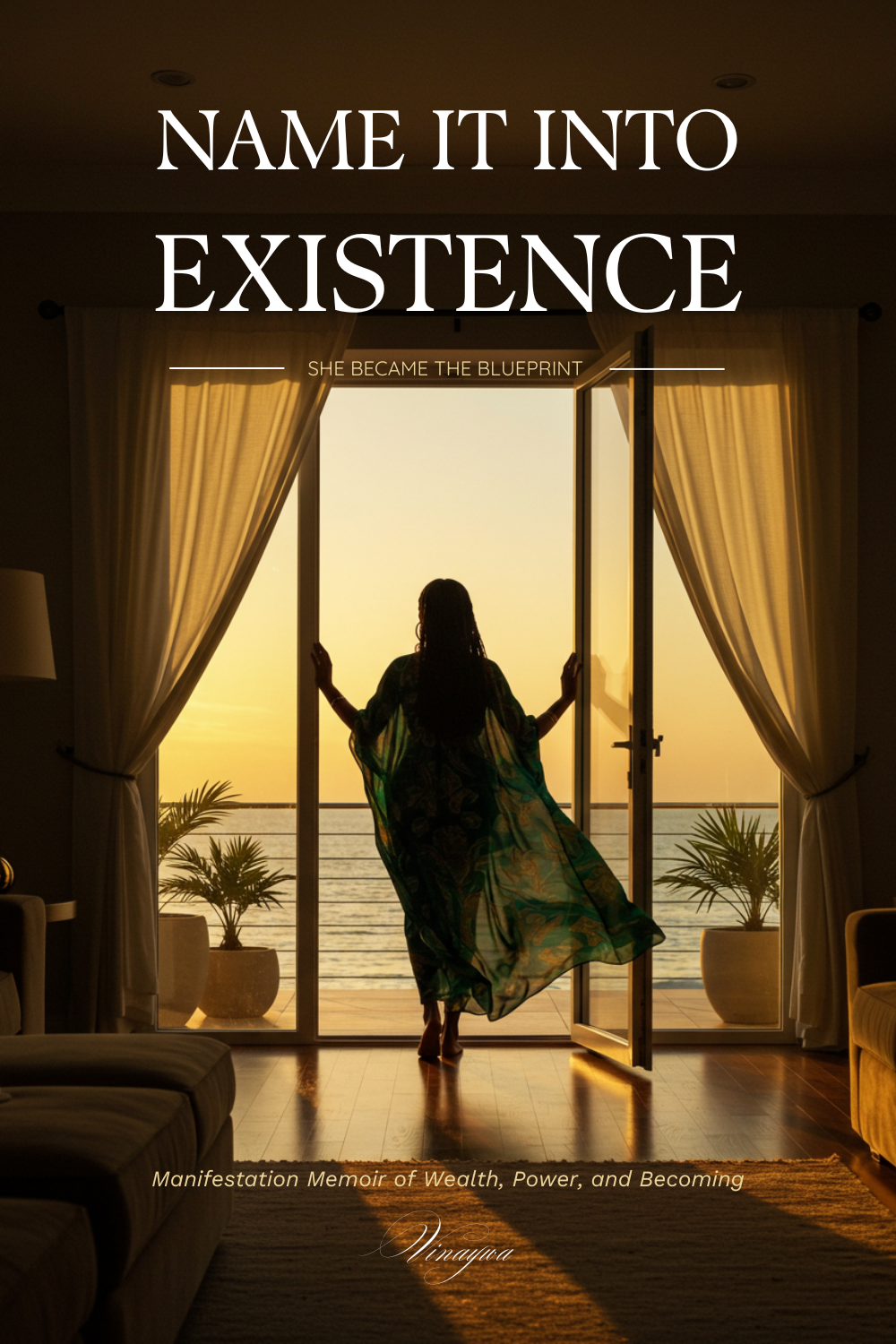
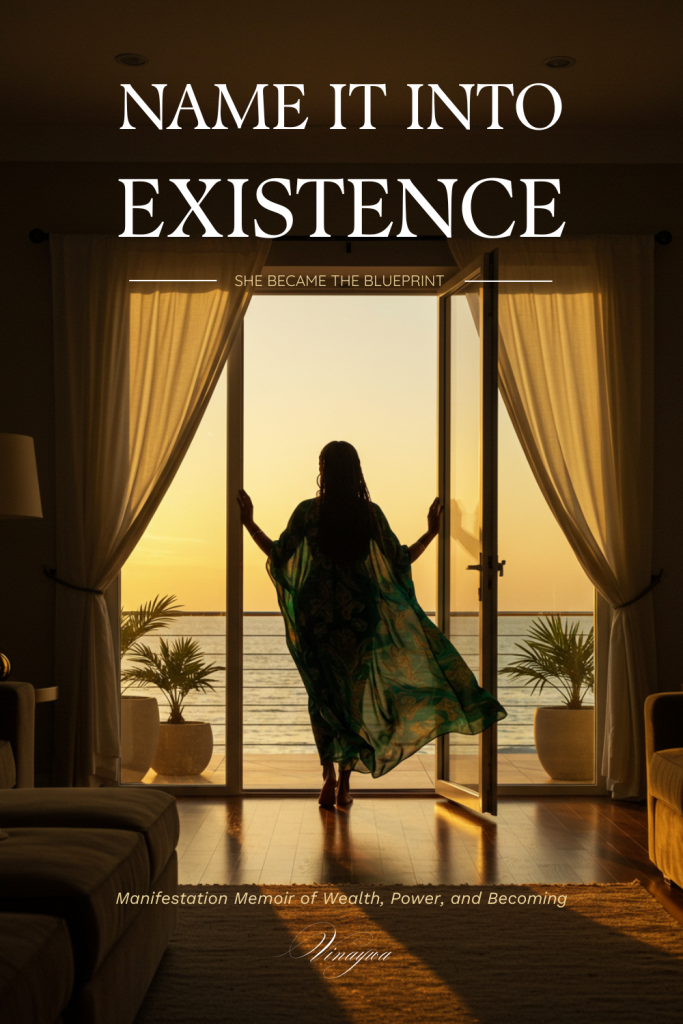
She launched a mini-course: Landscaping for Estates. Taught dozens. Sold hundreds. Created a lifestyle blog monetized her blog, her words, her truth, through affiliate links and digital products. Wrote an ebook. Name it Into Existence by Vinaywa. Monetized her voice. Her DMs turned into client consults. Her blog turned into passive income. Her past became her portfolio.
She invested. She bought shares at the Nairobi Stock Exchange. Invested in dollar-based funds. Bought land in Diani and a serviced apartment in Muthaiga. In a fintech startup that gave women microloans and dignity. She started calling her money soldiers, every coin deployed to build the future.
She didn’t do it all at once. But every move she made was intentional. Her money moved like purpose. Quiet. Compounding. Unapologetic.
One day, a friend asked why she was saving so aggressively. She smiled and said:
“Because wealth doesn’t whisper to the lucky. It whispers to the prepared.”
She didn’t just think wealthy. She moved wealthy. She had wealth rituals the way others had skincare routines. Mornings began with declarations:
“Money comes to me easily and effortlessly. I am a wealthy woman.”
She wore her silk robe on monthly wealth dates, lit a candle, brewed spiced chai, and reviewed her finances like she was curating a museum. Each transaction told a story. Each investment, an intention. She journaled in the language of the future:
“Today I signed for my penthouse in Muthaiga. My fridge is full. My son is laughing. My money flows with purpose.”
She turned budgeting into beauty. Investing into intention. Earning into ease. Wealth was no longer about arrival. It was her rhythm. She didn’t perform wealth. She embodied it. She honored the lineage. And rewrote it.
It happened on a Tuesday. She had just signed a design contract with a Saudi-based hospitality group. She didn’t expect the payment to clear that fast. But there it was. KSh 10,000,000.00 Credited. Confirmed. She stared at the screen for a long time. Then closed her eyes.
No screams. No selfies. Just breath. She closed her laptop. Folded her hands. And cried. Not tears of disbelief, but of confirmation. Because this wasn’t a miracle. This was what alignment felt like. She had seen this moment before. Written about it. Declared it. Prepared for it.
She dressed Adriel in his favorite shirt, told him, “We’re celebrating.”That night, she took Adriel to dinner at Villa Rosa Kempinski. Chef’s tasting menu. Wine she couldn’t pronounce but drank like a queen. Adriel clinked his glass of mango juice against hers. No budgeting. No guilt. Just joy. They laughed over dessert, and she watched him eat like a prince, because he was one.
“This is normal now,” she whispered. “My wealth is not a miracle. It is the consequence of my alignment.”
That night, as they walked out beneath the golden lights, she paused by the fountain. Threw in a coin.
“More, please. And thank you.”
As her income grew, so did her sense of duty, not the heavy kind, but the holy kind. She founded The Wealth Garden, a Friday mentorship circle under Garo Collective. Every week, she met with women, online and in person. Some were selling soap. Some were running tech startups. All of them were scared.
She taught them how to write proposals. How to price with power. She hosted budgeting brunches and taught them how to budget without shame. Invested in women-owned businesses. Built a digital resource hub for creatives. But most importantly, she taught them this:
“Don’t just learn how to make money. Learn how to hold it. Multiply it. Respect it. Be worthy of it.”
One of her students, Achieng, went on to open a thriving export business. Rehema bought land in Kitengela and built a home for her mother. Njeri paid off her HELB loan in full and cried into her hands. “You saved me,” they said. “I didn’t save you,” she smiled. “I just reminded you that you’re allowed to win.” Her wealth rippled outward. Quiet. Steady. Sacred.
For her, wealth was never just the digits on a statement. It was freedom.
Freedom to pick Adriel from school at 2 p.m. on a Wednesday, just because.
Freedom to fly her parents to Zanzibar and watch her father weep on the plane.
Freedom to give her housekeeper a 13th-month salary and full medical cover.
Freedom to walk into Maasai Market and pay full price, no haggling.
Freedom to buy fresh roses every Sunday.
Freedom to say yes to her desires, without guilt. Without delay.
Wealth was the ability to choose. To breathe. To bless. To become. She wasn’t chasing abundance. She was the abundance.
The shoot was in a garden she designed herself. A botanical dream in Runda, all bougainvillea and balance. She wore emerald, her signature color, soft silk against melanin. A Garo gift box in one hand. A trowel in the other.
The photographer asked her to smile. She didn’t. She radiated.
The headline read:
“Cynthia Vinaywa: Designing Landscapes, Legacy & Luxury.”
Inside, the interviewer leaned forward and asked, “What’s the most powerful thing you’ve ever built?” She looked up, eyes steady, voice like gospel. “My money story. Because it built everything else.”
She wasn’t just rich. She was reclaimed. Not chosen by luck. But called by legacy. She had rewritten the blueprint. And every daughter after her would build from abundance.
Related: Name it Into Existence