I have always been drawn to space.
Not distance from people.
Not absence for the sake of escape.
But space as a place.
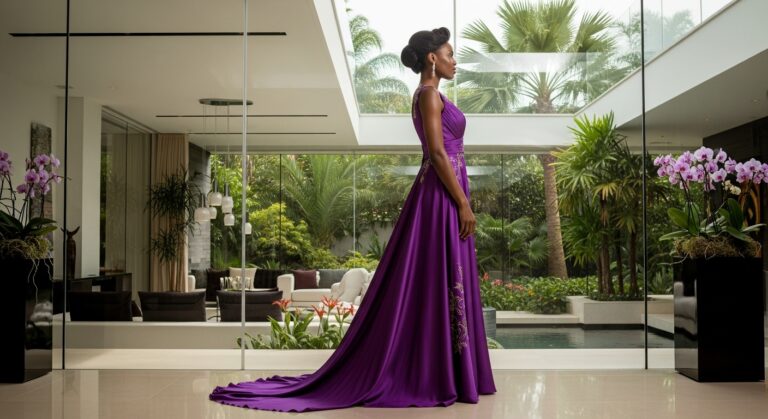
Big rooms.
High ceilings.
Long pauses where nothing is being asked of me.
I notice it everywhere.
The way my chest loosens when I walk into an open room.
The way my eyes search for windows before furniture.
The way I instinctively choose where the air feels generous.
Some people walk into a room and see what’s missing.
I walk in and feel what’s possible.
It’s interesting, because I’m a minimalist in many ways.
I don’t like excess.
I don’t collect for the sake of collecting.
I’m intentional with what stays.
And yet,
I gravitate toward huge rooms.
Toward expanses.
Toward places that feel unfinished to others.
Rooms that echo slightly.
Spaces that feel like they’re waiting.
I think it’s because space doesn’t interrogate me.
It doesn’t ask what I’m doing with my life.
It doesn’t rush me into clarity.
It doesn’t demand output.
It simply holds.
And in being held without pressure, I soften.
I think I learned early that too much noise suffocates me.
Too many expectations layered on top of moments.
Too many things added just so silence doesn’t expose us.
I noticed how often we fill spaces because we’re afraid of what stillness might say.
But I like stillness.
Space interrupts that noise.
In wide places, my thoughts stop tripping over each other.
They spread out.
They find their own rhythm.
I don’t have to chase them.
I don’t have to organize them.
I can just notice.
There’s a quiet safety in emptiness that doesn’t get talked about enough.
Nothing is watching.
Nothing is measuring.
Nothing is waiting for a performance.
When I’m in an open space, my body responds before my mind does.
My shoulders drop.
My jaw unclenches.
My breathing slows without instruction.
Space speaks directly to the nervous system.
It reminds me that I don’t need to justify rest.
That I don’t need to fill time to earn it.
That stillness isn’t a failure of ambition.
I think we’re taught to distrust emptiness.
To see it as wasted potential.
As laziness.
As something temporary that must eventually be filled.
But emptiness can be intentional.
Chosen.
Curated.
There’s a difference between lack and room.
Lack feels tight.
Room feels expansive.
Room invites wandering.
Lack demands fixing.
I’ve learned that I thrive in room.
Some of my clearest thoughts arrive when nothing is happening.
Not when I’m pushing.
Not when I’m chasing answers.
They arrive when I’m sitting alone in a wide space.
When the light shifts slowly across the floor.
When time stops insisting on urgency.
In those moments, I meet myself without noise.
Not as a role.
Not as a checklist.
Just as presence.
Space allows me to observe instead of react.
To notice what feels heavy.
What feels light.
What feels unnecessary.
And I don’t rush to change any of it.
And often, what I realize is this:
I don’t need more.
I need clearer.
Clearer thoughts.
Clearer rooms.
Clearer boundaries around my time.
There is a freedom in places where nothing is demanded of you.
Where you are not expected to perform happiness or clarity or certainty.
Where you can wander without purpose and still feel complete.
I love spaces where I can get lost in my own world.
Where my imagination stretches its legs.
Where ideas arrive unforced.
Where time feels circular instead of urgent.
Some places feel like permission.
Permission to slow down.
Permission to be quiet.
Permission to exist without being consumed.
I’ve learned that I don’t want a life packed wall to wall.
I don’t want calendars so full they leave no room for wonder.
I don’t want rooms so crowded they forget how to breathe.
I want margins.
I want pauses.
I want intentional emptiness.
I want mornings that don’t immediately demand answers.
Afternoons that drift.
Evenings that stretch into themselves.
Space teaches me self-awareness without judgment.
In openness, I meet myself gently.
Not as a problem to be solved,
but as a presence to be experienced.
There is joy in expansiveness.
In walking without destination.
In sitting with nothing to do and everything to feel.
I want rooms where one chair is enough.
Where light does most of the work.
Where silence isn’t awkward, it’s welcomed.
There is a certain honesty in large, empty spaces.
They don’t pretend.
They don’t decorate themselves for approval.
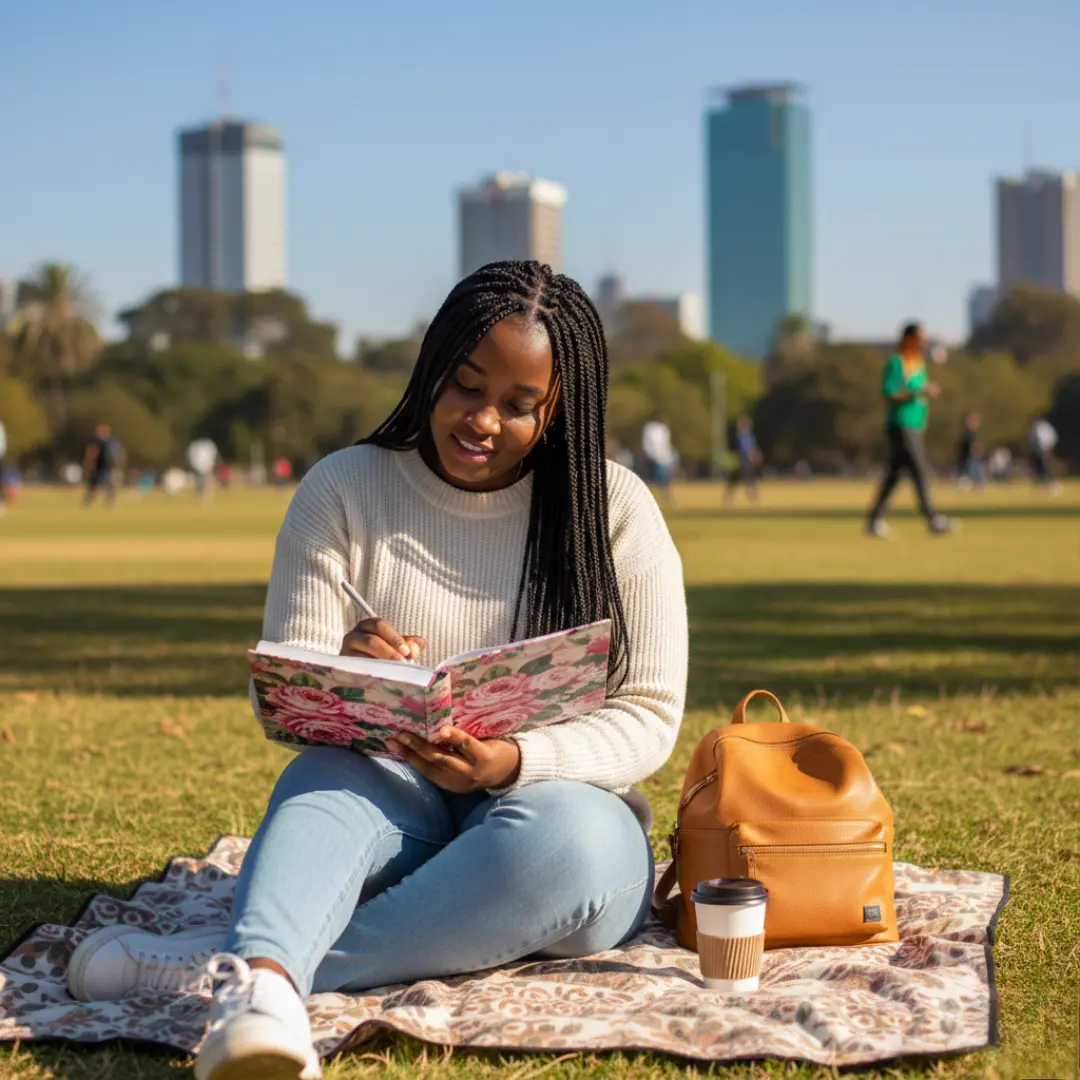
A sky doesn’t apologize for being vast.
A field doesn’t rush to become useful.
A room doesn’t explain why it isn’t full.
They exist as they are.
Space teaches me restraint.
It teaches me to choose carefully.
To leave room on purpose.
Because when everything is filled,
nothing gets to linger.
And I like lingering.
I like moments that stretch.
Days that don’t rush toward conclusions.
Thoughts that take their time becoming whole.
In spaciousness, I’m not fragmented.
I’m not pulled in too many directions.
I’m not overwhelmed by options.
I’m centered.
Nothingness and everything coexist quietly here.
No competition.
No urgency.
Just room.
Room to think.
Room to feel.
Room to drift without guilt.
Space doesn’t ask me to be smaller.
It doesn’t demand that I condense myself.
If anything, it invites expansion.
In wide spaces, I don’t feel lost.
I feel free enough to wander.
I don’t feel unfinished.
I feel open-ended.
And maybe that’s why I keep choosing it.
Why I keep gravitating toward openness.
Why I instinctively resist overcrowding,
in rooms, in days, in life.
I don’t need everything filled.
I don’t need every silence explained.
I don’t need every moment optimized.
Some things are meant to be vast.
Some days are meant to be light.
Some spaces are meant to remain open.
And maybe that’s why I love them so much.
Because in space,
I am not shrinking or stretching.
I am simply allowed to be.
Uncontained.
Unrushed.
And whole.