

Okay, mama bear, papa bear… deep breath. Let’s just sit with that for a second. You’re navigating one of life’s toughest storms: healing from a breakup while simultaneously being the rock, the nurturer, the everything for your little one(s). If you feel like you’re trying to piece your own heart back together with one hand while juggling school runs, bedtime stories, and endless snacks with the other, please know this: you are seen, you are understood, and your strength is immense.
The end of a relationship is painful for anyone. But when you’re raising a child alone, the heartbreak doesn’t happen in a vacuum. There’s no crawling into bed for days, no spontaneous “get away from it all” trips. Your grief often has to share space with packed lunches, scraped knees, and the unwavering need to provide stability and love for your child. It can feel isolating, overwhelming, and sometimes, downright impossible.
You might be wrestling with guilt – feeling like your sadness impacts your child, or perhaps even feeling guilty for not falling apart because you simply can’t. You might be exhausted beyond measure, running on fumes while trying to process your own emotions and potentially navigate co-parenting complexities or the sudden absence of a partner.
But here’s the truth I want you to hold onto, like a comforting hand squeezing yours: healing is possible, even amidst the beautiful chaos of single parenthood. It won’t look like the healing journeys you see in movies, and it won’t be linear. It will be your journey, woven into the fabric of your unique life. And you can emerge from this stronger, more resilient, and ready to build a beautiful future for yourself and your child.
This isn’t about “getting over it” quickly. It’s about gently, compassionately making space for your healing, one manageable step at a time. Let’s explore how.
Acknowledging the Unique Weight: Why This is Different
First, let’s validate why healing feels so much harder in this situation. Recognizing these unique pressures isn’t about complaining; it’s about understanding the landscape so you can navigate it with more self-compassion.
- Limited “Me Time”: Finding uninterrupted time to process grief, cry, or simply be feels like a luxury you can’t afford.
- The Constant “On” Switch: You have to keep functioning for your child, even when you feel broken inside. Emotional exhaustion is amplified.
- Worry for Your Child: You’re not just healing your own heart; you’re likely worried about how the breakup is affecting your child’s emotional well-being.
- Potential Co-Parenting Stress: If you share custody, navigating interactions with your ex adds another layer of emotional complexity and potential conflict.
- Financial Pressures: Breakups often bring financial strain, adding practical stress on top of the emotional turmoil.
- The Weight of Responsibility: Feeling like you’re the sole emotional anchor for your child can be incredibly heavy.
Understanding these factors helps you give yourself grace. You’re not failing if your healing feels slow or messy; you’re navigating an incredibly demanding situation.
Laying the Foundation: Self-Compassion is Non-Negotiable
Before we dive into specific strategies, let’s establish the most crucial element: radical self-compassion.
Imagine talking to your dearest friend if they were going through this. Would you tell them to “suck it up” or “get over it already”? Absolutely not. You’d offer kindness, patience, and understanding. You must offer that same grace to yourself.
- Acknowledge Your Pain: Don’t minimize what you’re feeling. Heartbreak is real, grief is real. Allow yourself to feel it without judgment.
- Embrace Imperfection: You don’t have to be the “perfect” parent right now. You’re allowed to have tough days. Showing your child resilience (not hiding all emotion, but managing it healthily) is a powerful lesson.
- Release the Guilt: Feeling sad or struggling doesn’t make you a bad parent. It makes you human. Focusing on your healing is actually good for your child in the long run – a healthier, happier parent is a more present parent.
Reflection Question: What’s one kind, compassionate thing I can say to myself right now, just like I would to a friend?
How to heal from a breakup
Okay, let’s get practical. How do you actually heal from a breakup when life demands so much? It’s about finding pockets of opportunity and integrating healing into your existing reality.
How to Heal from Breakup Single Parents
1. Feel Your Feelings – In Manageable Doses
Suppressing emotions isn’t sustainable; they will find a way out. But you also can’t let them completely derail you when a little person depends on you.
- Schedule Micro-Processing Time: Can you take 10 minutes after the kids are asleep to journal? Allow yourself a good cry in the shower? Vent to a trusted friend during your commute (hands-free, of course!)? Intentionally creating small windows can prevent emotions from overwhelming you unexpectedly.
- Acknowledge, Don’t Dwell (During Kid Time): If a wave of sadness hits while you’re playing LEGOs, acknowledge it internally (“Wow, I feel really sad right now”) and gently redirect your focus back to your child. Promise yourself you’ll revisit the feeling later in your scheduled micro-session.
- Physical Release: Sometimes, emotions need a physical outlet. Put on some music and dance energetically with your kid, go for a brisk walk pushing the stroller, punch a pillow when you’re alone.
2. Build and Lean On Your Village (Seriously, Ask for Help)
You cannot and should not do this entirely alone. Identify your support system and use it.
- Friends & Family: Who can you truly be vulnerable with? Who offers practical help? Don’t be afraid to ask specifically: “Could you watch Lily for an hour so I can just have some quiet time?” or “Can I just vent to you for 15 minutes without needing advice?”
- Support Groups: Connecting with other single parents who get it can be incredibly validating and helpful. Look for local or online groups.
- Professional Help: A therapist or counselor can provide invaluable tools, coping strategies, and a safe space to process your grief and the unique challenges you face. Consider it an investment in your well-being and your ability to parent effectively. Many offer sliding scales or telehealth options.
“Vulnerability is not winning or losing; it’s having the courage to show up and be seen when we have no control over the outcome.”
3. Redefine and Prioritize “Micro” Self-Care
Forget luxurious spa days for now (unless you can swing it!). Focus on small, achievable acts that replenish you, even slightly.
- Basic Needs First: Are you eating relatively nourishing food? Getting enough sleep (even if it’s broken)? Drinking water? These basics are the foundation. Don’t underestimate their power.
- Find Tiny Pockets of Peace: Can you savor your morning coffee for 5 minutes before the chaos begins? Listen to a calming song during naptime? Step outside for deep breaths while your child plays safely nearby?
- What Actually Refuels You? Maybe it’s reading a chapter of a book, listening to a podcast, a quick stretching session, or texting a supportive friend. Identify 2-3 tiny things you can realistically sprinkle into your day.
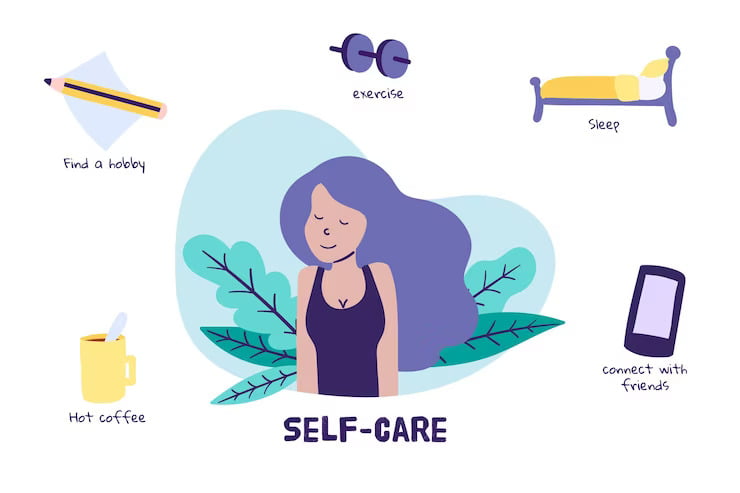
Quick List: Micro Self-Care Ideas
- 5 minutes of guided meditation (apps like Calm or Headspace)
- Stretching gently while watching TV after kid’s bedtime
- Sipping herbal tea slowly and mindfully
- Listening to one favorite, uplifting song
- Spending 10 minutes looking at nature (even out a window)

4. Mind Your Thoughts (Challenge the Narrative)
Your mind will likely be racing with painful thoughts, “what ifs,” and self-criticism. Gently start to challenge the most damaging ones.
- Notice Negative Loops: Become aware of recurring negative thoughts (e.g., “I’ll be alone forever,” “I’ve failed my child”).
- Question Their Validity: Are these thoughts 100% true? Is there another perspective? What evidence contradicts them? (e.g., “I have loving friends,” “My child knows they are loved,” “I am capable and resilient”).
- Practice Thought Stopping/Reframing: When a negative loop starts, mentally say “Stop” and consciously replace it with a more balanced or compassionate thought, or simply redirect your attention to the present moment with your child. This takes practice!
5. Create Structure and Predictability
In times of emotional upheaval, routine can be a lifeline for both you and your child.
- Stick to Regular Schedules: Consistent mealtimes, bedtimes, and morning routines provide a sense of security and normalcy for your child, which can ease their anxiety (and yours).
- Plan Simple Activities: Knowing what’s coming next, even if it’s just “park time after nap,” can reduce mental load and create small things to look forward to.
- Keep Your Home Environment Calm: As much as possible, try to maintain a relatively tidy and calm living space. Clutter can sometimes amplify internal chaos.
6. Pour Love Into Your Child (While Protecting Them)
Your connection with your child can be a huge source of strength and motivation.
- Focus on Quality Time: Even 15 minutes of fully present, focused playtime or reading together can strengthen your bond and boost both your spirits. Put the phone away and just be with them.
- Reassure Them: Kids often internalize breakups. Reassure them (in age-appropriate ways) that the breakup is not their fault, that both parents love them (if applicable and true), and that you will always be there to care for them.
- Avoid Oversharing Adult Details: They need comfort and stability, not the intricate details of the relationship’s demise or negative talk about the other parent. Keep adult problems for adult ears (your support system, your therapist).
7. Set Firm Boundaries (Especially with Your Ex)
Clear boundaries are crucial for protecting your emotional energy during this vulnerable time.
- Communication with Ex: Decide on the best method (text, email, co-parenting app?) and frequency for necessary communication (logistics, child’s well-being). Stick to it. Avoid rehashing the relationship or engaging in arguments. Keep it factual and child-focused.
- With Others: It’s okay to say “no” to extra commitments that drain you. Protect your limited time and energy fiercely right now. It’s okay to limit contact with people who aren’t supportive.
8. Find Moments of Joy and Connection (Beyond Parenting)
While your child is central, you are still you. Rediscovering small sparks of joy helps rebuild your sense of self.
- Connect with Your Own Interests: Even 15 minutes dedicated to a hobby you enjoy can make a difference.
Discover 20 Fun Hobbies When Bored
- Laugh: Watch a funny movie after bedtime, call a friend who makes you laugh, find humor in the everyday chaos. Laughter is healing.
- Seek Beauty: Notice a beautiful sunset, appreciate your child’s artwork, listen to music that moves you. Small moments of beauty can be grounding.
How to Romanticize Your Life and Find Beauty in Every Day
Affirmation: I am healing, I am resilient, and I am creating a loving and stable home for myself and my child.
Be Patient: Healing is a Marathon, Not a Sprint
Some days you’ll feel like you’re making progress, and others you might feel like you’ve taken ten steps back. This is normal. Grief isn’t linear. There will be triggers – a song, a place, an anniversary – that bring up fresh waves of emotion.
When those days hit, lean hard on your coping strategies, reach out for support, and shower yourself with extra compassion. Remind yourself how far you’ve already come.
You Are Building a New Beginning
Healing from a breakup while raising a child alone is one of the most challenging things you might ever do. But it’s also an opportunity to model incredible strength, resilience, and self-love for your child. It’s a chance to rebuild your life on your own terms, centered on your values and your well-being.
You are not just surviving this; you are slowly, steadily building a new foundation. Trust the process, trust your strength, and know that brighter days are ahead.
Save this post for the days you need a reminder of your resilience. Journal one small act of self-compassion you can offer yourself today. And please, reach out to your support system or a professional if you’re struggling. You don’t have to carry this weight alone. You’ve got this.