
“Hardships often prepare ordinary people for an extraordinary destiny.”
There are storms that tear through the soul without ever making a sound. Storms that no one sees. No one prepares for. And by the time they pass, the woman inside is never the same. Before the name Garo ever existed. Before the designs took shape. Before her hands remembered their power, there was a silence. A long, brutal, echoing silence. It was in this silence that she almost disappeared.
There are seasons that do not announce themselves with thunder. They slip in quietly, like sadness in the middle of laughter, like silence between two people who once spoke in soul. This was that kind of season. It came after the becoming, but before the breakthrough. After the birth, but before the blueprint. The kind of season that doesn’t strike like lightning, but instead, seeps in through the cracks. A season of weariness. Of whispering fears. Of quiet unraveling. And it nearly swallowed her whole.
It began with a feeling she couldn’t name. A dullness. A weight that lived behind her eyes. Her laughter became occasional and brittle. Her eyes lost their light. She stopped looking at herself in mirrors, not because she hated what she saw, but because she no longer recognized the woman staring back. She wasn’t a villain. She wasn’t broken. She was just… tired. Tired of carrying everything and everyone. Tired of being brave. Tired of pretending she was okay.
It was the season between the break and the becoming.
It began, as most heartaches do, not with a bang but a whisper. The kind that echoes from a childhood wound. The kind that traces its fingers across your timeline and touches every place you thought you had already healed. She was six when she first learned that people you love can leave. Her brother, gone and no one explained death to her, just the silence, the gaps, the emptiness she could never fill. Too young to understand death, too old to ignore the hollow it left. That was the first abandonment. But not the last.
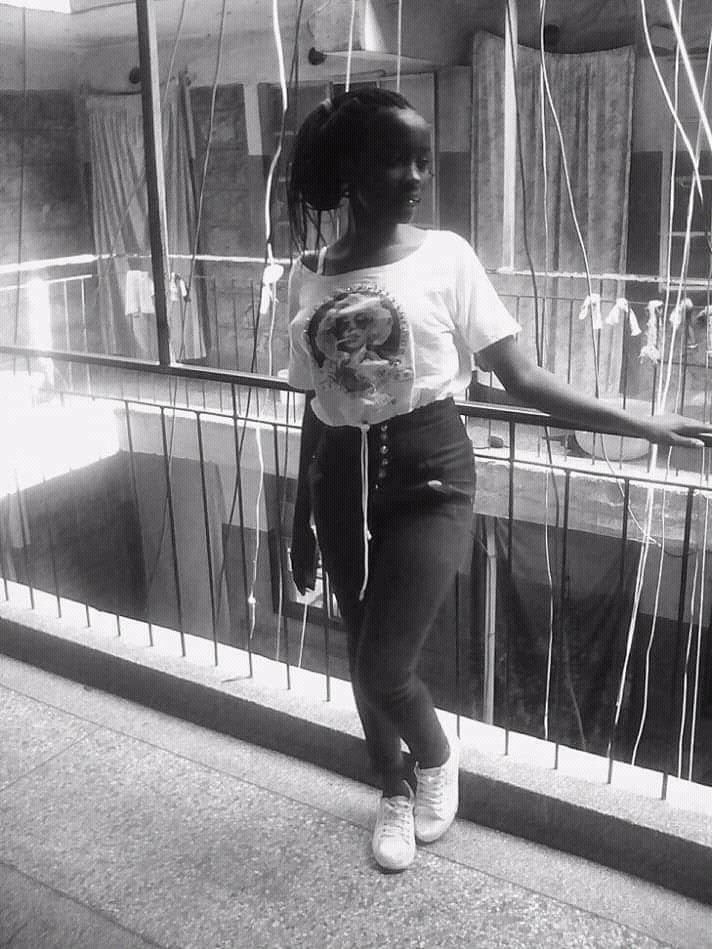
Then her best friend moved away in primary school. The girl who shared secrets, chewing gum, and the dreams of girls who knew too much too early. Gone. At eighteen, the silence returned. This time louder. Her father’s voice, sharp as broken glass: “If you’re pregnant, I will disown you.” It didn’t matter how softly he said it. The threat was a thunderclap in her spirit. She lied. Said it was a false positive. Hid the truth beneath layers of fear and fabric. High-waisted jeans became armor. Silence became a sanctuary.
The father of her child was present, until he wasn’t. Supportive, until it got uncomfortable. Until their love began to suffocate under the weight of parental disapproval and broken promises. Then he drifted, like all the rest. And when they finally separated, he ghosted not only her but their son. The silence he left behind wasn’t empty. It was sharp.
Adriel was growing. His tiny feet, once fragile and wrapped in plaster, were now chasing toy cars across tiled floors. He was curious, bright, and too observant. He had questions now. Questions that carried knives.
“Where’s Daddy?”
“Why don’t we all live together?”
She answered gently, masking the ache. She’d smile, pull him close, say something vague, and wait for him to run off again. Then, when the house went quiet and sleep folded over his small body, she’d cry. Silently. Face buried into her pillow. Grieving the story she couldn’t give him. Grieving the story she thought she would live.
The final crack in her came with a familiar sound, silence. Not peace. Silence. The kind that lingers after another broken promise. Another ignored message. Another excuse. His father had become more of a ghost than man. Absent, unapologetic, unreliable. She had asked him, pleaded once, would he contribute? Anything. A pair of shoes. A school bag. A simple visit. Not for her. For Adriel. For the child they both made.
Instead, what came was worse than absence. Insults. Dismissiveness. Contempt. One day, a message from his new partner arrived like a cold slap. “If you can’t raise him, give him to us.” Her breath caught in her throat. Her hands trembled as she read it. They didn’t want the child. They wanted the applause. They wanted the appearance of goodness without the cost of commitment. That was the moment she buried the fantasy. The fantasy of co-parenting. The fantasy of repair. The fantasy of the man she once believed in.
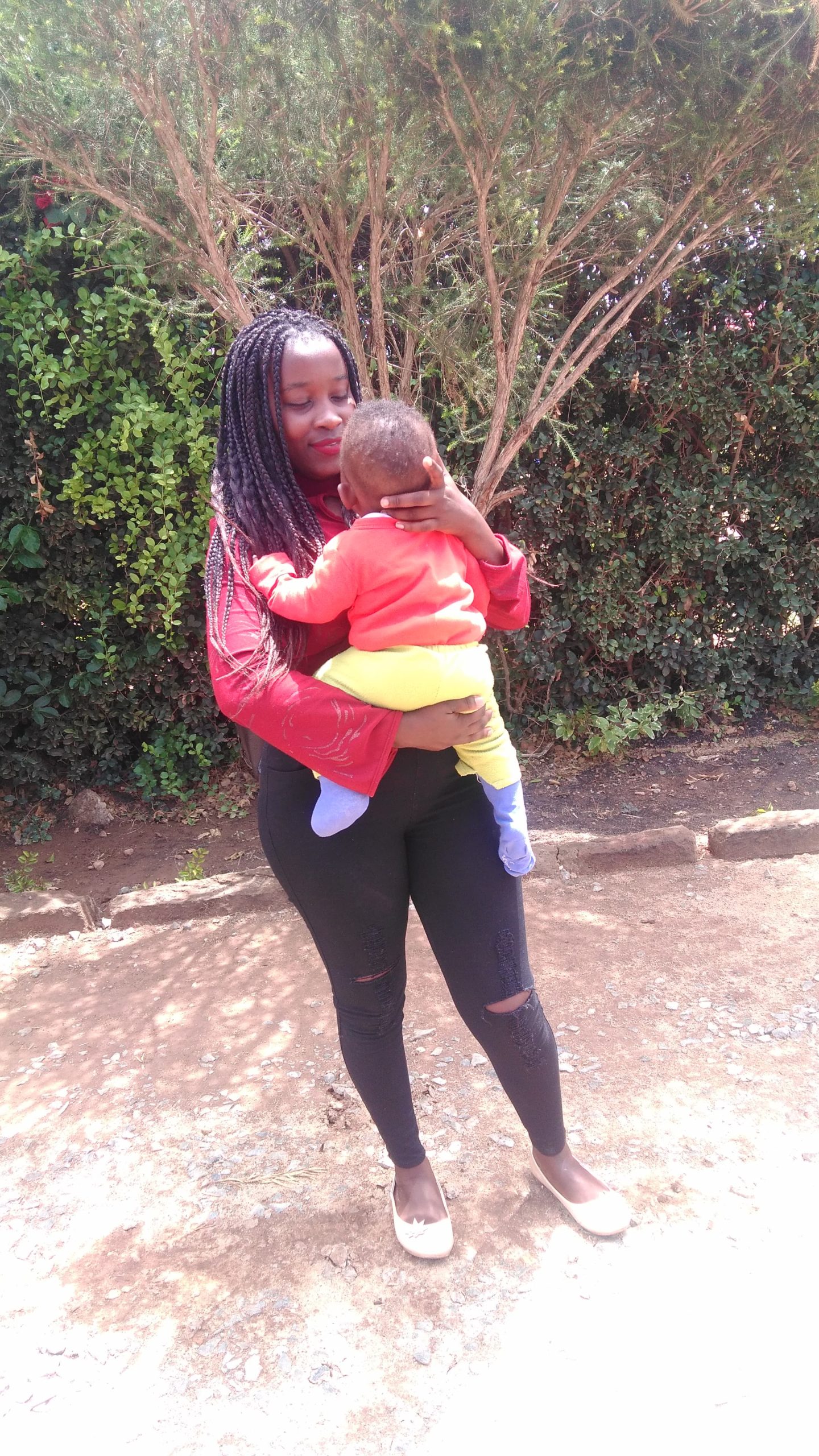
That night, she held Adriel to her chest. Forehead to forehead. His little body rising and falling with sleep. And she whispered the hardest truth a mother can whisper. “It’s just me and you now.”
By then, she had stopped expecting people to stay. Even her closest friend in campus, the one who held her secrets and laughter, disappeared after the baby came. Ghosted. Vanished. Maybe her mother warned her. Maybe shame did. All she knew was that once again, the people she trusted most became shadows. And so she built a fortress.
She smiled in lecture halls. Submitted assignments. Took care of Adriel with the tenderness of a mother and the tenacity of a soldier. But inside, she was fraying. The weight of responsibility gnawed at her. The guilt of needing help, the pressure to perform. To provide. To rise. She was not just a mother or a student, she was the firstborn daughter. A title that came with invisible chains.
Then the pandemic came. And with it, a silence unlike any other. The world folded into uncertainty. Rent piled up like questions. Opportunities evaporated. COVID swept through the streets of Nairobi like smoke, stealing clients, freezing jobs, severing plans. She could no longer afford to live alone. She was cornered by survival. So she made a decision.And with nowhere else to go, she moved in with someone she thought she could trust.
A man whose wounds resembled hers. He had just come from heartbreak. So had she. They were both grieving futures that never materialized. And in the darkness, they called each other light. They called it healing. But trauma does not always breed tenderness. Sometimes it turns affection into dependence, into confusion, into misplaced devotion.
At first, it felt comforting. Familiar pain, shared space. They played house with borrowed cutlery and empty cupboards. Laughed at inside jokes. Watched series through cracked screens. Trauma bonded them. It wrapped itself in warmth and pretended to be love. But it didn’t last. He wasn’t ready. Not for fatherhood. Not for partnership. Not even for her softness.
He began to call his ex in front of her. Not in secret. In plain sight. She saw it. Heard it. Felt it like a slow stab.He compared them. Dismissed her needs. Mocked her emotions. Gaslighted her when she asked for kindness. She had asked for too much, he said. She was “too sensitive.” “Too emotional.” But all she ever wanted was to feel safe. And yet, she stayed.
Because heartbreak doesn’t always announce its exit. Sometimes it lingers like a habit. And she was used to being the one who loved harder. The one who stayed longer. The one who held on. Until the day she said no. She decided to leave. Quietly. Respectfully. To reclaim her peace. But peace, it seemed, was too expensive.
When she finally decided to leave, to pack her things, reclaim her name, and exit with dignity, he didn’t take it well. He and his sister turned cruel. The people she once cooked for, laughed with, shared space with, turned against her. They threw her belongings out in broad daylight. Under the watchful eyes of neighbors and strangers. Books. Clothes. Buckets. Sanitary pads. Her dignity. Scattered across the hallway like trash. She did not scream. She did not plead. She held her breath. Swallowed her pride. Picked what she could. Called a bodaboda. Left in silence. No apology. No shame. No closure. It was one of the most humiliating moments of her life.
That day broke her. Not because of what they did. But because she still loved him. Because despite everything, she had imagined healing beside him. And now, even that dream was gone.
She returned to her small room. Quiet. Bruised. Alone. Her son was the light she held on to. But even the brightest light can become too heavy when your arms are broken. So she made the most painful, most courageous decision mothers pray they never have to make: She sent him to live with her parents. Not because she didn’t love him. But because she loved him enough to give him a stable home while she healed. He needed stability. A routine. A home with people who could hold him while she tried to rebuild herself. He deserved more than what she could offer at that moment.
He needed a family. Siblings to play with. A father figure, even if it wasn’t his own. She told herself it was temporary. That he’d be back. That he’d understand one day. But when he stopped calling her Mama, when he started calling her by her name, she broke again. It stung. He started calling her parents Mom and Dad. And she let him. Smiled when he did. Told herself it was okay. That he was safe. That he was loved. That she was doing the right thing. But inside, something shattered, behind closed doors, she grieved like only mothers do, quietly. Without witness. Fiercely.
Her body had once been a vessel of joy, strength, and creation. Now it felt like a burden she carried. Each morning required a negotiation with the sun. Each breath was a task. Her steps were heavier. Her back, hunched not from posture, but from pressure. The kind of pressure no one could see, the kind that piles up invisibly on the firstborn daughter of a humble home.
She was still in university. Still attending classes. Still freelancing when she could. Still pretending to be okay. By day, she showed up. By night, she unravelled. Rent was due. Her son needed diapers. Her sister needed fees. Her mother needed painkillers. Airtime. Soap. Sugar. KSh 100 here. KSh 200 there. It all added up. And her income never could.
She was not just a mother and student. She was a provider. For Adriel. For her siblings. For her parents. For a family that leaned on her like she was made of steel. She was the firstborn. The legacy carrier. The architect of a better future. The one expected to rise and still carry everyone else with her. Her family expected miracles. Build them a house. Pay the school fees. Fund the groceries. Hold the future. But who carried her?
No one.
She did not complain. She didn’t even cry most days. She simply began to fade, quietly, invisibly, gracefully. She simply began to disappear, like a flower blooming in darkness, unsure whether to open or hide.
The months that followed were a blur. She fell into a hollow. Days blurred into nights. She no longer kept track of time. She stopped answering messages. Depression wrapped her in its cold arms. She stayed indoors for days. Stayed in bed. Slept too much, or not at all. Binge-watched shows she couldn’t remember. Ate fries and sugar to numb the ache. Gained weight. Hated mirrors. Hated her body. Hated her reflection. Hated herself. Sometimes, she didn’t eat at all. Avoided calls. Her body no longer felt like home. Her laughter became brittle. Her reflection, unfamiliar. Her heart heavier than ever.
Depression doesn’t always scream. Sometimes, it whispers. You’re failing. You’re alone. You’re invisible. You’ll never make it. And the worst part? She started to believe it.
She was still sending money home. Still buying medicine for her mother. Still providing. But she was running on empty. Debts started trickling in. There were nights she lay in bed and wondered if the world would notice if she disappeared. Not because she wanted to die. But because she didn’t know how to keep living. Not like this. Not with the shame, the pressure, the grief. She didn’t tell anyone. Not her friends. Not her family. Who would understand? Who would listen without judging? So she kept it inside. Carried it like an invisible casket.
Then, one day, a stranger moved into the building. A neighbor. Quiet. Gentle. There were no grand introductions. No forced intimacy. Just presence. And in that presence, she exhaled. Not all at once. Just enough. Enough to say, “I’m tired.” Enough to admit she felt like a ghost in her own body.
She barely remembers the first conversation. Only that it felt safe. She didn’t expect it to matter. But it did. They started talking. Slowly. Honestly. Over time, she found herself opening up. Not all at once. Just small pieces. She told the truth, the parts she had hidden even from herself. About the weight of being strong. About the guilt of sending her son away, the exhaustion, the weight of carrying everyone without being carried in return. About the fear of being judged. About the pain of being unseen. The feeling of being a burden, a failure, an empty shell of a woman who used to dream.He didn’t flinch. He listened. Held space. No judgment. No advice. It wasn’t therapy in a clinic. But it was the therapy she needed.
And in that listening… something softened. She realized she had been holding it all for too long. The grief. The guilt. The shame. The exhaustion. She let it spill out, like water breaking a dam. He didn’t try to fix her. He simply saw her. And for the first time in a long time, that was enough.She cried that day. Not from pain, but from relief. That was the first step back to herself.
One morning, she woke up and couldn’t bear the weight of her bedsheets. So she put on the cleanest clothes she could find and left the house. No plan. No makeup. No agenda. No earphones. Just air. She walked into a botanical garden. The scent of earth. The birdsong. The rustle of trees. For the first time in months, she breathed without breaking. She sat under a tree and cried, not from pain, but relief and remembrance. She was still here.Still breathing.Still alive. Nature didn’t ask her to be anything. She was allowed to simply exist.
A few weeks later, her classmates resumed lectures. She tried to return to school. Two weeks in, she realized her body and mind were still too tender. She knew she wasn’t ready. So she deferred. Again. And this time, she didn’t shame herself for it. She gave herself permission to heal. To rest. To feel. To eat when she was hungry. To sleep without guilt. Not out of weakness. But out of wisdom. She chose herself. And that was the beginning. Of return. Of remembering. Of rebuilding.
And then… An order came in. A surprise order for her bestselling card. She hadn’t made cards in months. She almost said no. But something within whispered yes. She cleared a corner of her room. Opened her toolbox. The tools were dusty. The paper felt foreign at first. The scissors heavier. But her hands remembered. One strip. One coil. One flower. Glue. Press. Place. By the time the card was finished, something had shifted. Something sparked. The colors felt like medicine. The glue, like therapy. And for the first time in forever, she smiled while working. Not because she had to. But because she wanted to.
She wasn’t healed. Not completely. But she was becoming. She didn’t need to be perfect to be powerful. Just present. Every time she chose a walk over a binge, she was becoming. Every time she voiced a boundary, she was becoming. Every time she made a card, no matter how small, she was becoming.Creativity was pulling her from the edge. Bit by bit. She began designing again. Sketching. Dreaming. Even journaling to her future self.Her hands remembered their rhythm. Her soul found a pulse again. It wasn’t a leap. It was a crawl.But it was forward.
She stopped asking “Why me?” and began whispering, “What now?” Not with fear. But curiosity.
She had reached the bottom. And there, she found something she never expected: Herself.Not broken.Refined.She would never again beg to be chosen.Because this time, she had chosen herself.
It was in this in-between, this quiet space between breaking and becoming, that Garo Gift Shop was reborn. Not as a side hustle. But as a soul whisper.She looked at her hands. Hands that had held grief, babies, dreams, and despair. And she knew they were ready to hold beauty again.
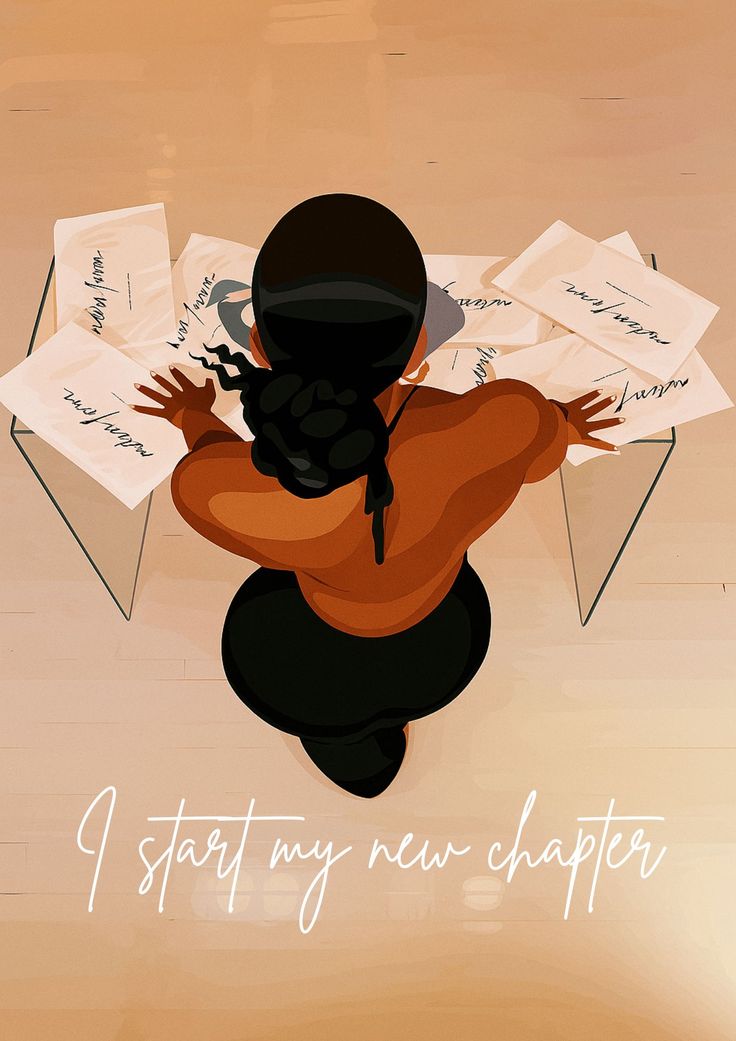
She wasn’t fully whole. But she was no longer lost. The road ahead wasn’t clear. But her feet were steady. And so, she turned her pain into paper. Turned loneliness into letters. Turned survival into art. And in doing so… She turned the page to the next chapter of her life. Not as who she had been. Not yet who she would be. But as the woman who stayed, when it would’ve been easier to disappear.
Related: Name it Into Existence