“I did not rise in spite of being a mother. I rose because I was one.”
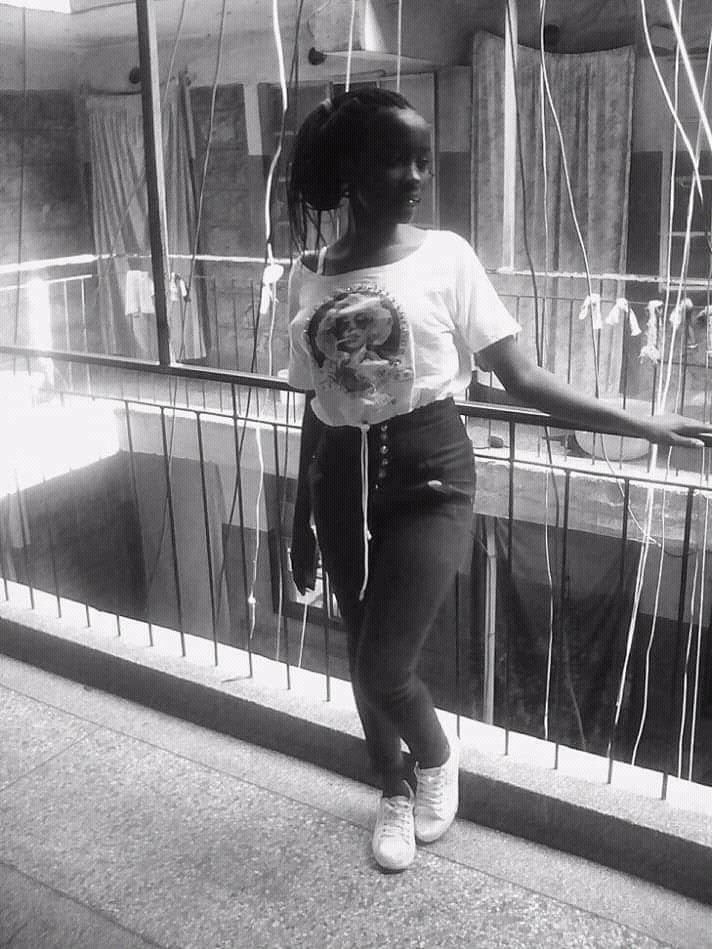
She was eighteen when her life changed. A second-year architecture student, young, curious, still figuring out her own soul. She found herself staring at two pink lines. She was pregnant. Her childhood sweetheart, his eyes wide with fear and love, squeezed her hand. “We’ll step up,” they vowed, their voices a fragile bridge over an uncertain sea. But life, as it often does, had other plans.
At six months pregnant, her father suspected. “If you’re pregnant, I will disown you,” he said, his words a sharp knife’s edge slicing through her heart. She wore high-waisted jeans to hide the swell of her belly, her heart pounding as she moved through the estate. At eight months, her boyfriend’s mother discovered the truth and cast them out, her disapproval a door slammed shut. He stayed by her side for a while, his presence a flickering candle in the storm.
She took herself to clinics, read baby blogs between lectures and prepared in silence. No baby shower. No pastel photoshoots. Just silent preparation and late nights reading baby blogs, her hands tracing the curve of her belly as she whispered, “We’ll be okay.” Her belly grew quietly while shame hung like fog, thick and suffocating.
Her friends whispered, her aunties scolded. “She’s ruined her life,” some said. But Vinaywa? She whispered to herself at night: “This won’t be the end of me. This will be the beginning.”
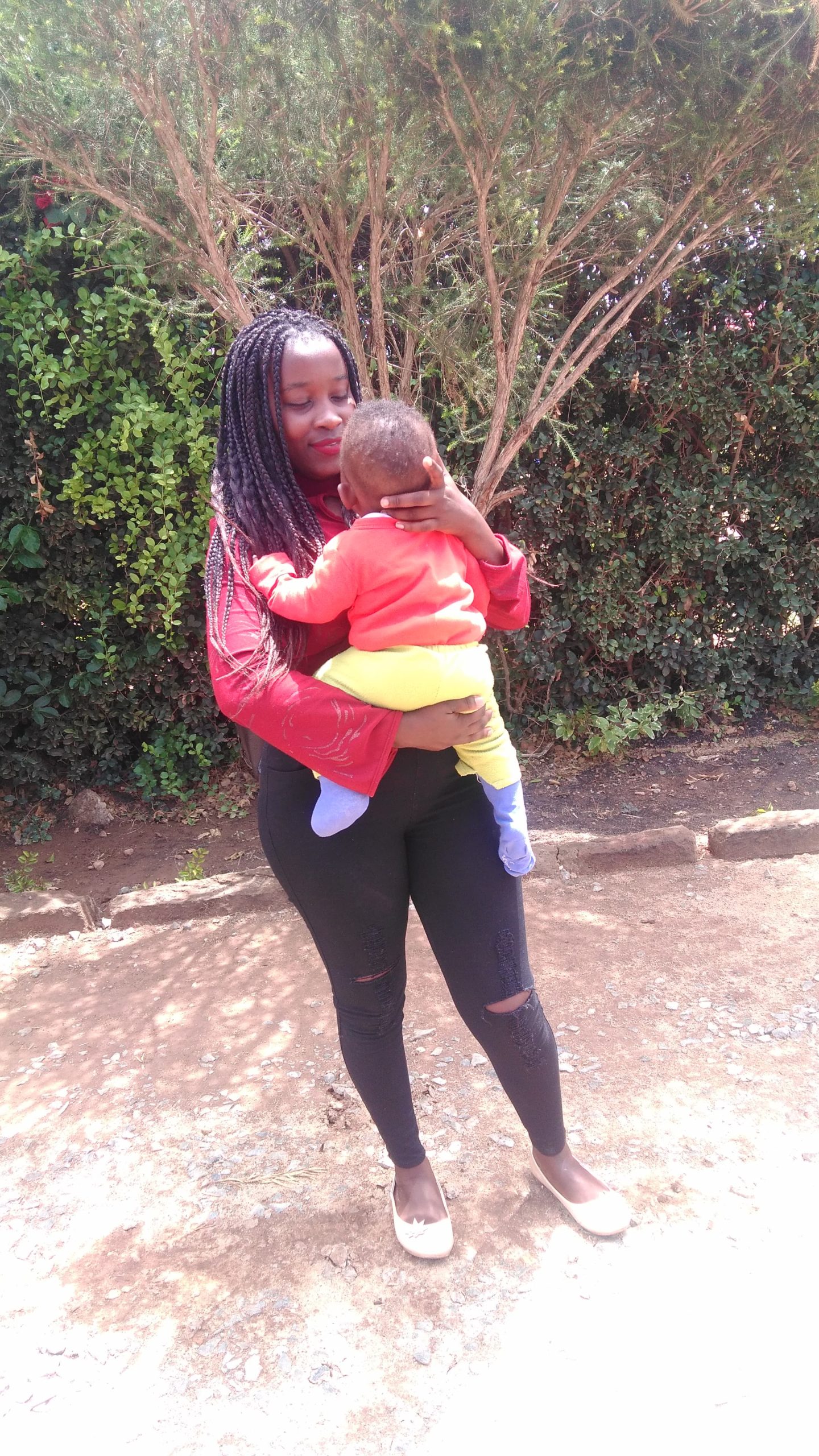
She feared the labour, the unknown stretching before her. But when the contractions hit, something ancient took over. She roared through the pain, alone in a Kalimoni Mission Hospital ward, cradled by generations of women who had done this before her. And when she held him, tiny, fragile, her son, the pain vanished. He was perfect.
Except his tiny foot twisted inward. Clubfoot. Her heart stopped. “Is he disabled?” she asked the nurse, her voice shaking, her world tilting. “No,” the nurse smiled, soft and sure. “It’s treatable, if we start early.” She exhaled, her heart steadying. A new chapter began. She named him Adriel. Flock of God. Gift of God. A divine yes born in chaos.
Adriel was born at 10:45 pm on a calm Wednesday night, the kind that quiets the world just enough for destiny to slip through unnoticed. She was still a girl, holding a boy, but something in her eyes hardened with a mother’s resolve. She looked at her newborn and silently vowed: “You will never feel what I’ve felt. You will live a life built from my healing, not my hurt.”
In the silence of that maternity ward, beneath fluorescent lights and the scent of antiseptic, something ancient was born in her. A knowing. A quiet thunder. He became her why. When he cried, her backbone grew steel. When he smiled, her heart turned into gold.
The early days were hell and holy. No partner stood beside her, her boyfriend, still in university, drifted, his visits rare. Her parents came once before discharge, their eyes heavy with unspoken words, then left her to navigate motherhood alone. No manuals, no mentors, just YouTube tutorials and tears. She taught herself to breastfeed, to bathe him, to decipher every cry like it was Morse code, her body aching as she adjusted to his rhythm.
Every Thursday, she carried him to Kenyatta National Hospital, the smell made her nauseous, but she went, rain or shine. Watched him cry as plaster was wrapped around his tiny legs. Watched him heal.
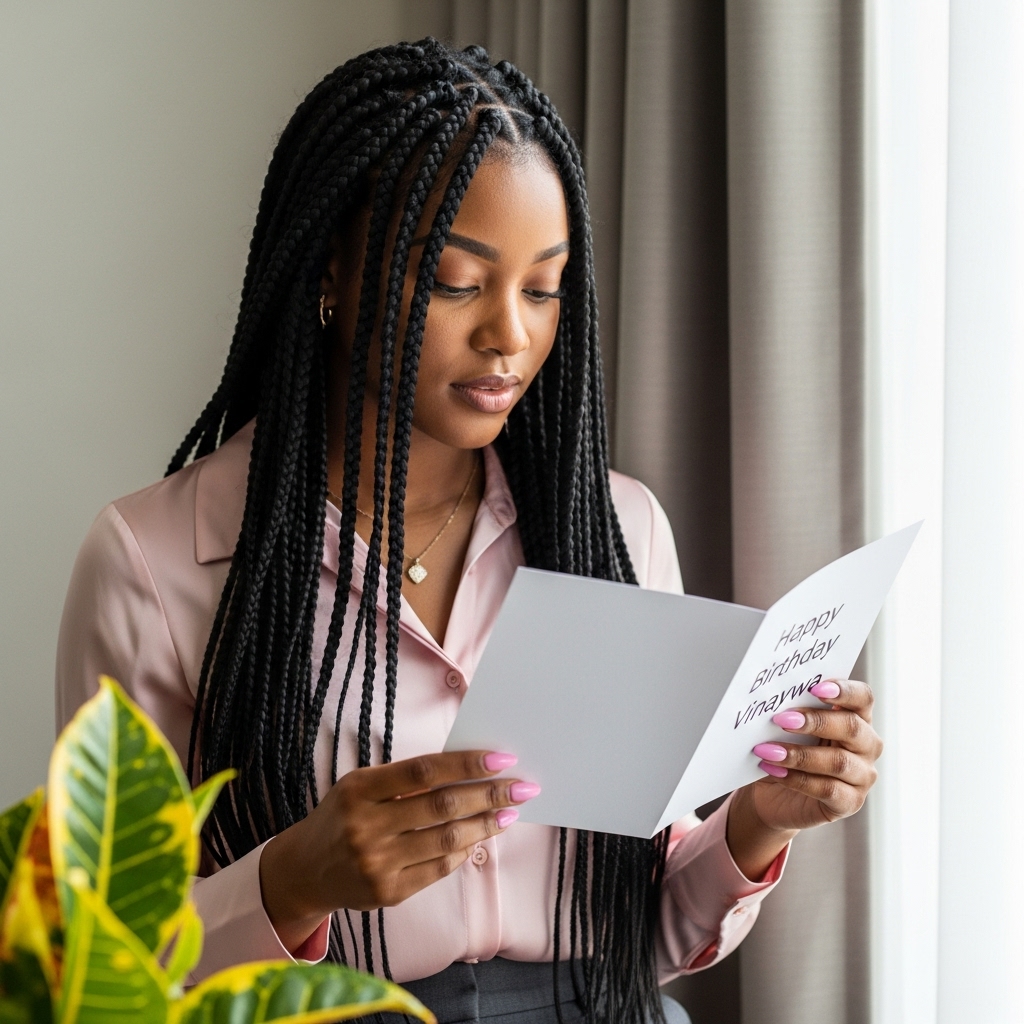
She still attended classes, exhausted, unbrushed, sometimes breastfeeding in secret between lectures. She became a ghost to her peers, haunting lecture halls, rarely speaking, always rushing. While others went to parties or shopping sprees, she sold handmade cards to classmates and side-hustled online to buy diapers.
Yet, she didn’t walk alone. Her village of angels emerged. Neighbors became aunties, one watching Adriel while she slept, another while she attended classes. Her classmates bought clothes for Adriel. They gave her me-time. Emotional support. Laughter in the dark. She wept for what she lacked, but overflowed in gratitude for what she had.
She deferred her studies, couldn’t stand leaving him with a nanny who cleaned while he cried. She took a year off, but she filled it with hustle. She tutored high school students in math and chemistry, her earnings buying diapers and milk. Then came the night he fell sick, burning with fever. She rushed him to the ER at 12am, heart pounding, her prayers a desperate chant. He recovered, but her spirit cracked.
There were nights she wanted to scream. Nights she questioned whether her dreams would survive. Nights she held Adriel and whispered lullabies into his ear, while her stomach growled louder than her hopes. But even then, she never stopped dreaming.
2020 arrived with a cruel silence. COVID. Jobs stopped. Money vanished. Some days, there was no food. She breastfed through emptiness and sometimes nothing came out. She wept while he suckled. No one could help, so she cohabited with someone just to survive. She learned online transcription by night, mothered by day. Somehow, they made it.
By the end of 2020, she moved into her own place. Adriel turned two. No party. No gifts. But his Godparents came with a cake and love. That was enough. To the person who held them through 2020, though it ended in heartbreak, thank you.
At 2 years, 4 months, she made the hardest choice: she sent him to live with her parents. She had to return to school to build their future. To her mom and aunt, who returned in love, thank you. He cried every time she left after visiting on weekends. So did she. People whispered, “She abandoned him.” But only she knew the nights she stayed up designing while sending money for diapers, only she knew the ache of missing him, only she knew the depression that swallowed her whole.
She gained weight, lost motivation, lost her partner, her baby daddy stopped providing, said, “If we’re not together, then he’s not my responsibility.” She begged him once, for clothes, for shoes. He ghosted. His new girlfriend sent insults: “If you can’t raise him, give him to us.” That was the day she buried him in her heart. From that day forward, his father was dead to her.
She finally walked the stage, cap on her head, tears in her eyes. Adriel also wore a tiny graduation cap, Kindergarten complete. Two black gowns. Two milestones. One single mother who made the impossible inevitable.
People still judged her, said she was careless, said she abandoned her child. But they didn’t see the hospital nights, the unpaid bills, the lectures attended with aching breasts, the resumes sent in cafés, the therapy she couldn’t afford, so she cried in prayer instead. They didn’t see how her greatest dream was to give her son a full, warm family, a father figure, a forever home, even if she had to build it from nothing.
Today, she is called many things: Boss. Architect. Mentor. Founder. Millionaire. But the title etched into her soul, the one she wears with the deepest pride, is Mama Adriel. The boy with the once-curved foot now runs free, laughs boldly and tells his mum: “You’re my superhero.” And she is. Not because she had it all together, but because she kept going. She built a future one hospital visit, one tutoring gig, one whispered prayer at a time. Her story isn’t neat. It is stitched with pain, patience and power. But it is hers. And it is sacred.
Being a mother never limited her identity. It expanded it. She became a businesswoman with bedtime stories memorized, a boss who scheduled staff meetings around school pickups, a speaker who used her son’s first words as metaphors for growth, a designer who carved play spaces into every luxury garden. Her son became her muse. He’d ask: “Mum, can you add a swing here for other children?” “Can this gift box have superhero stickers?” “What does courage smell like?” He kept her soul curious.
When money was tight, she didn’t hustle harder for herself. She hustled for Adriel. She imagined him walking into a shop someday and saying: “My mother owns this.” “She built it for me.” “She never gave up.” That’s what pushed her to pitch boldly, design obsessively, package gifts with magic. “Even on the days I felt invisible,” she would later say, “Adriel made me feel like the most powerful woman in the world.”
As her empire grew, so did his understanding of it. She taught him how to budget his pocket money, the power of thank-you notes, why we honor artisans and ancestors, that wealth is not just money, it’s presence, joy and generosity. They had “Vision Board Sundays” at the villa. He’d paste pictures of comic books, bike trails and Garo for Kids boxes. One day he asked: “Mum, can boys also design beautiful things?” She held his face and whispered, “Boys can build beauty. Boys can be gentle and powerful. Boys can be kings without crowns.”
Her son became her mirror. Every healed wound reflected in his light. The way he hugged her when she succeeded, the way he prayed for her before pitches, the way he reminded her to play. Through Adriel, she reclaimed her own inner child. She built a playroom in the penthouse, not just for him, but for herself. A space of joy. Colour. Wildness. She named it “The Freedom Room.”
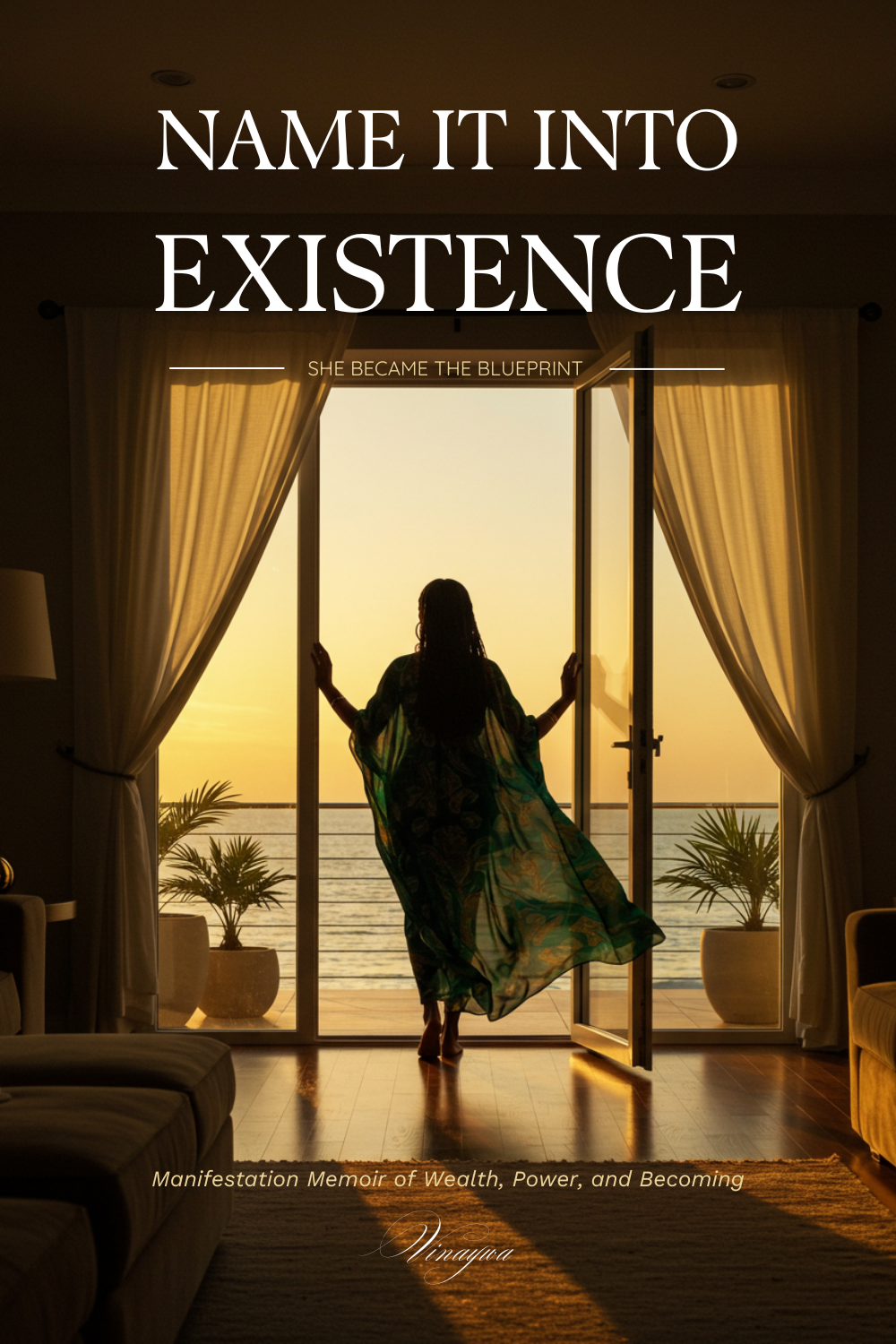
Years later, on her Muthaiga balcony, the sky a velvet canvas of stars, candles lit, her journal open. She wrote. “I rose because I was Adriel’s mother. I am forever her.” The words were a sacred vow, a reality named into existence, a hymn to the girl who’d stared at two pink lines and chose to soar.
Related: Name it Into Existence