

Hey. Let’s talk about that feeling. That knot in your stomach when they haven’t texted back. The way your mind races, creating worst-case scenarios when plans are uncertain. That deep-seated fear that maybe, just maybe, you’re “too much” or that they’ll eventually leave. If any of this sounds familiar, you’re definitely not alone. Welcome to the often-turbulent world of anxious attachment. But how do you move from anxious to secure attachment?
For years, I felt like relationships were this complex, high-stakes game I was constantly trying to win, but mostly felt like I was losing. I craved closeness, deep connection, intimacy – but my approach to getting it often involved things like needing constant reassurance, overanalyzing every interaction, feeling easily threatened by perceived distance, and sometimes (if I’m being really honest) engaging in what attachment experts call “protest behavior” – maybe acting distant myself to see if they’d chase, or picking fights to get a reaction, any reaction, just to feel connected. Exhausting, right? For everyone involved.
It felt like love was supposed to be this calm harbor, but mine always felt like a stormy sea. I desperately wanted that peace, that feeling of knowing you’re okay, that the connection is solid, even when you’re not actively getting reassurance. I wanted what I later learned is called secure attachment.
The fantastic news? It is absolutely possible to shift your patterns. Our early experiences shape our attachment styles, but our brains are adaptable (hello, neuroplasticity!). We can learn new ways of relating – to ourselves and to others. It’s not an overnight fix, it’s a journey – one I’m still consciously navigating – but every step towards security is a step towards more peace, joy, and genuinely fulfilling connections.
So, whether you strongly identify with anxious attachment or just see glimpses of it in yourself, let’s walk through some practical, compassionate steps towards cultivating those healthier, more secure relationship patterns.
First, What IS Anxious Attachment Anyway?
Rooted in Attachment Theory, anxious attachment (sometimes called anxious-preoccupied) often develops when, as children, we experienced inconsistent parenting. Maybe our caregiver was sometimes warm and available, but other times distant, overwhelmed, or unpredictable. We learned that connection was precarious and that we might need to “amp up” our bids for attention to get our needs met.
As adults, this can translate into:
- Fear of Abandonment: A deep-seated worry that partners will leave, often triggered by small signs of distance.
- Need for Constant Reassurance: Seeking frequent validation that the partner still cares and the relationship is okay.
- Overthinking & Analyzing: Spending a lot of mental energy dissecting interactions, texts, tones of voice.
- Clinginess or Neediness: Sometimes feeling overly dependent on the partner for self-worth and emotional regulation.
- Difficulty Trusting: Even when things are good, there might be an underlying anxiety or waiting for the other shoe to drop.
- Emotional Rollercoasters: Experiencing relationships with intense highs and anxious lows.
- Sensitivity to Perceived Criticism or Rejection: Taking things personally or feeling hurt easily.
- Protest Behaviors: Acting out (withdrawing, arguing, jealousy displays) when feeling insecure, hoping to regain connection or attention.
Sounding familiar? Again, no shame. This is a learned pattern, often developed as a smart adaptation in childhood. But what worked then might not be serving you now in your adult relationships.
What Does Secure Attachment Look Like?
Before we build the bridge, let’s get clear on the destination. Secure attachment isn’t about being emotionless or never needing anyone. It’s about balance.
Securely attached individuals generally:
- Feel Comfortable with Intimacy and Autonomy: They enjoy closeness but also value their independence and their partner’s.
- Trust Easily (but Appropriately): They tend to assume goodwill from their partners but aren’t naive. Trust is built and maintained.
- Communicate Needs Directly: They can state their needs and feelings clearly and respectfully, without resorting to manipulation or protest behavior.
- Handle Conflict Constructively: They see disagreements as opportunities for understanding, not threats to the relationship’s existence.
- Self-Regulate Emotions: While they lean on partners for support, they also have internal resources to manage their own anxiety or distress.
- Have a Stable Sense of Self-Worth: Their value isn’t solely dependent on their relationship status or their partner’s approval.
- Offer and Receive Support: They are comfortable being a secure base for their partner and using their partner as one.
- Are Resilient: They can navigate relationship challenges and separations with less devastation.
Doesn’t that sound… peaceful? It is. And it’s attainable.
Anxious to Secure Attachment: Steps to Healthier Love Patterns
Okay, let’s get practical. This isn’t a linear checklist, but a series of interconnected practices. Be patient and kind to yourself throughout.
Table of Contents
1. Awareness is Your Superpower (Know Thyself)
You can’t change what you don’t acknowledge.
Identify Your Patterns: Start noticing when your anxiety spikes.
- What situations trigger it? (e.g., partner being busy, vague texts, disagreements, perceived distance).
- What thoughts typically follow? (e.g., “They don’t care,” “They’re pulling away,” “I did something wrong”).
- What behaviors result? (e.g., excessive texting, withdrawing, picking a fight).
Connect to the Roots (Gently): Understand why these patterns might exist. Reflecting on early experiences with caregivers (without blame, just observation) can bring insight and self-compassion. My own “aha!” moment came when I realized my intense need for immediate responses mirrored how I felt needing attention as a kid.
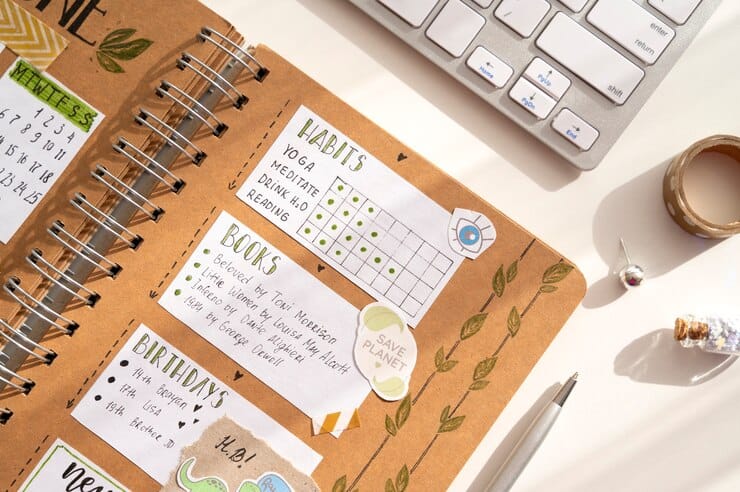
Journaling: Writing down your triggers, thoughts, feelings, and reactions is incredibly clarifying.
2. Befriend Your Nervous System (Learn to Self-Soothe)
Anxious attachment often means an easily activated nervous system (fight-or-flight). Learning to calm yourself internally is a game-changer. This reduces reliance on external validation.
- Deep Breathing: Sounds simple, works wonders. Practice diaphragmatic breathing (belly breathing) when anxiety hits. It signals safety to your brain.
- Mindfulness & Grounding: Practice being present. Focus on your senses: What do you see, hear, smell, touch, taste? Grounding techniques (like feeling your feet on the floor, naming objects around you) pull you out of anxious future-tripping.
- Movement: Gentle exercise, stretching, yoga, or even just shaking out tension can release anxious energy stored in the body.
- Comforting Touch: Placing a hand on your heart, giving yourself a gentle hug – these simple acts can release oxytocin and feel soothing.
- Find Your Calm Activities: What genuinely calms you? Listening to music, taking a bath, spending time in nature, petting an animal? Build these into your routine, especially during stressful times.
3. Become a Thought Detective (Challenge Anxious Thinking)
Anxious thoughts often involve cognitive distortions – assumptions, catastrophizing, mind-reading. We need to challenge them.
- Question the Narrative: When an anxious thought pops up (“They haven’t texted back, they must be mad!”), ask:
- Is this 100% true?
- What evidence supports this? What evidence contradicts it?
- Are there other possible explanations? (Maybe they’re busy, driving, in a meeting?)
- What would I tell a friend thinking this?
- Identify Cognitive Distortions: Learn about common ones like catastrophizing (assuming the worst), personalization (thinking everything is about you), black-and-white thinking. Naming them reduces their power.
- Develop Counter-Statements: Create more balanced, realistic thoughts to replace the anxious ones. (e.g., “It’s possible they’re just busy. I can focus on my own tasks until I hear back.”)
4. Communicate Like a Secure Person (Directly & Vulnerably)
This means ditching protest behaviors and learning to state your needs clearly and kindly.
- Use “I Feel” Statements: Instead of blaming (“You never text me back!”), try expressing your feeling and need (“I feel a bit anxious when I don’t hear back for a while. Could we maybe touch base briefly when you have a moment?”).
- State Needs Positively: Frame requests based on what you do want, not just what you don’t. (“I’d love to schedule a dedicated date night this week” vs. “You never make time for me”).
- Choose the Right Time: Have important conversations when you’re both relatively calm, not in the heat of an anxious moment.
- Be Vulnerable (Appropriately): Sharing your underlying fear (“Sometimes I worry about us drifting apart”) can foster more genuine connection than acting out. This takes courage, but it’s incredibly effective in healthy dynamics.
5. Build Your Self-Worth from Within
So much anxious attachment behavior stems from looking outside ourselves for validation. Cultivating internal self-worth makes you less dependent on external reassurance.
- Identify Your Strengths & Values: What are you proud of? What matters to you? Connect with your identity outside of your relationship status.
- Pursue Your Own Interests: Having hobbies, passions, goals, and friendships that fulfill you makes you a more whole person and less reliant on a partner to be your everything.
- Practice Self-Compassion: Treat yourself with the same kindness you’d offer a friend. Forgive yourself for mistakes. Acknowledge your efforts.
- Positive Affirmations: Regularly remind yourself of your worthiness of love and security. (e.g., “I am whole and complete on my own,” “I am deserving of a secure and loving relationship.”)
6. Practice Makes Progress (Navigating Triggers in Real Time)
Theory is great, but applying it when triggered is where the growth happens.
- Pause Before Reacting: When anxiety hits, try to create space between the trigger and your response. Breathe. Use a self-soothing technique.
- Choose a Secure Action: Instead of defaulting to the anxious behavior (e.g., sending multiple texts), consciously choose a more secure action (e.g., focus on work, text a friend, use a calming technique, wait patiently).
- Repair When Needed: If you slip back into old patterns (it happens!), take responsibility, apologize if necessary, and recommit to practicing secure behaviors.
7. Choose Partners Wisely (and Seek Secure Models)
While we can work on ourselves, the relationship dynamic matters.
- Recognize Red Flags: Be mindful of partners who are consistently inconsistent, emotionally unavailable, critical, or dismissive. These dynamics will constantly activate anxious attachment.
- Seek Green Flags: Look for partners who demonstrate consistency, empathy, good communication skills, respect for boundaries, and emotional availability – signs of secure attachment themselves.
- Learn from Secure Friends/Models: Observe how securely attached friends or mentors navigate relationships. Their calm and trust can be inspiring and instructive.
8. Seek Professional Support
This journey is often much easier and more effective with guidance.
- Therapy: A therapist knowledgeable in attachment theory can provide personalized tools, help you understand your specific patterns, process past wounds, and offer support as you practice new behaviors.
- Support Groups: Connecting with others on a similar journey can reduce shame and provide valuable peer support.
The Long Game: Patience, Compassion, and Celebrating Small Wins
Shifting attachment patterns is not about achieving perfection; it’s about progress. There will be days you feel incredibly secure, and days when old anxieties flare up, especially during times of stress. I still have moments where that old anxious wiring tries to fire up, but now I have the tools to recognize it and choose a different path.
Celebrate every time you choose to self-soothe instead of react, every time you communicate a need directly, every time you challenge an anxious thought. These are victories!
This journey from anxious to secure is ultimately a journey back to yourself – to your inherent worth, your resilience, and your capacity for deep, healthy love. It’s about learning to offer yourself the safety and reassurance you might not have consistently received, and then building relationships from that grounded place. It takes work, courage, and heaps of self-compassion, but the peace and connection waiting on the other side are so incredibly worth it.
Bookmark this post if you need these reminders. Journal about one small, secure action you can practice this week. And know that you are absolutely capable of building healthier, happier relationship patterns. You’ve got this.