“They said I’d have to choose between my dreams and my son. I chose both and built a world where neither had to shrink.”
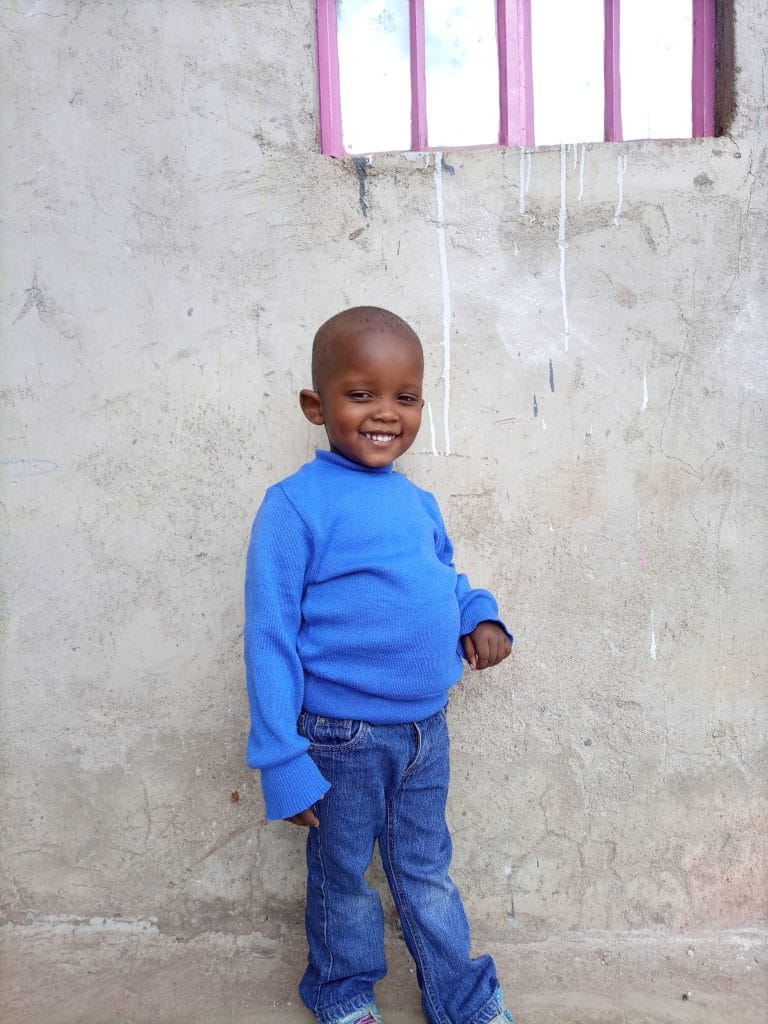
Adriel was ten the day he stood on a school stage holding an A4 paper in his trembling hands. His collar was slightly twisted, but his eyes, those soft, steady eyes, held the confidence of someone raised by love. The parents in the hall leaned forward. Teachers exchanged amused glances. She sat in the third row, her phone lowered, heart rising.
“My mum doesn’t just pack my lunch. She gives people jobs. She grows trees where there was nothing. She makes money, but she doesn’t make it mean she’s better than others. She says love is when someone still dances with you, even when they’re tired. She’s my superhero. But she wears perfume instead of a cape.”
The room laughed. She blinked back tears. In that moment, she saw not just her son. She saw every version of herself that once wondered if she could do this. She saw the nineteen-year-old girl sitting on the cold floor of her boyfriend’s place, holding a test strip in one hand and her breath in the other. She realized she hadn’t just raised a boy; she’d raised a world, and rebuilt herself in the process.
The speech went viral. Published in Business Daily Kids Edition, shared across the internet, quoted by mothers, mentors, and ministers. But she cried in private, not from pride, but from peace. He saw her, not as someone who gave up everything for him, but as someone who gave him everything because she chose not to give up herself.
There had been no baby shower, no pastel photo shoots, no congratulations, just a stretch of silence so wide she thought it might swallow her whole. And then came the whispers. “Such a bright girl. What a waste.” “She’s finished now. That’s it.” “Her life is over.” The world saw a girl who had ruined her future, but what they didn’t know, what they couldn’t see, was that the life growing inside her was not her ending; it was her ignition.
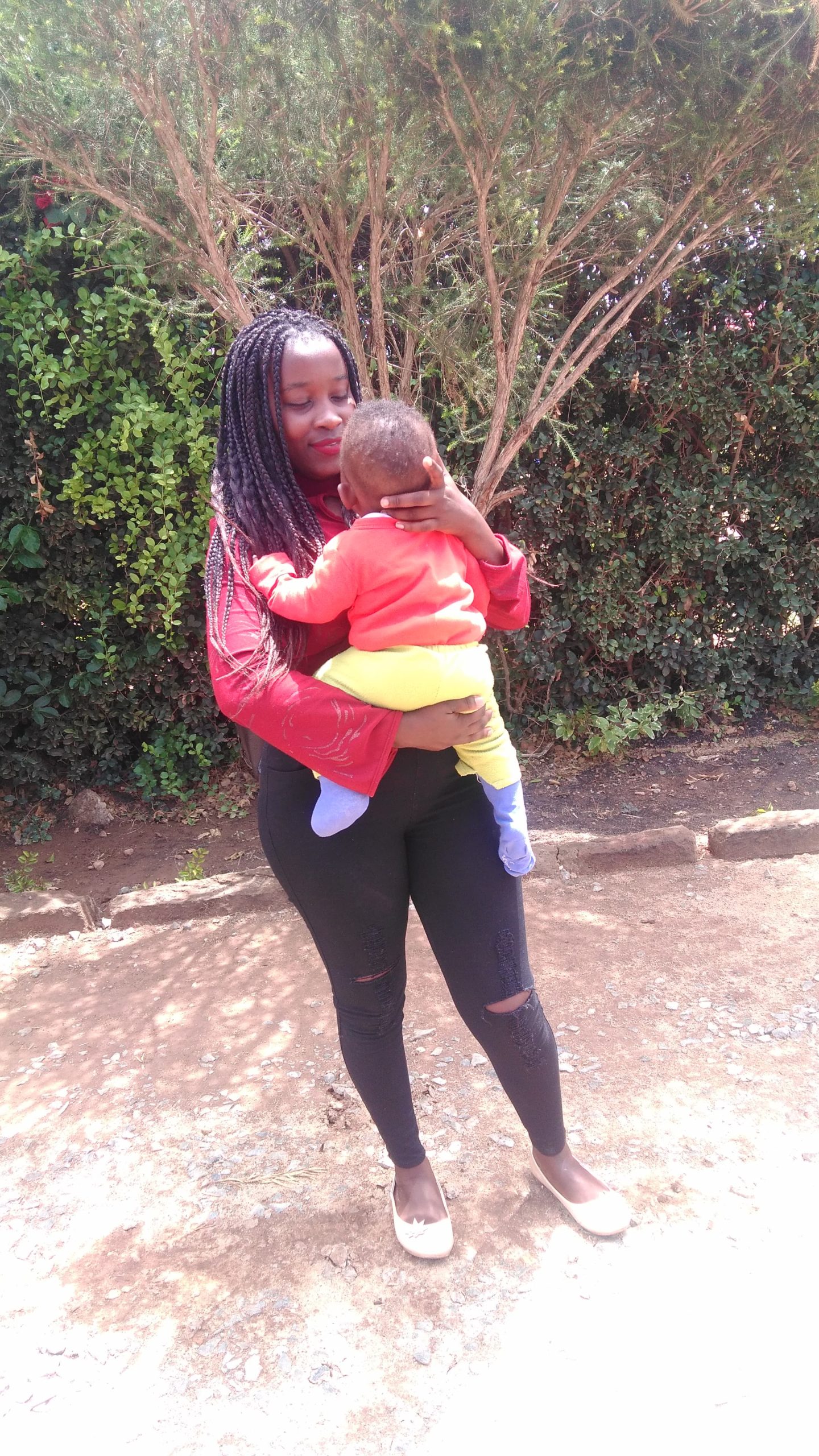
Adriel arrived like a storm wrapped in grace. Unexpected, unplanned, but wholly divine. His presence rearranged her world, not as a detour, but as destiny. He didn’t derail her path; he became it.
While others were attending parties and pulling all-nighters for exams, she was learning how to breastfeed between PowerPoint slides, rocking him to sleep with one arm while designing landscapes with the other.
She wasn’t just juggling. She was building. Beneath the exhaustion was a fire. A vow. A vision. “My son will not inherit struggle as normal.”
Each sleepless night was a chapter in the story she would one day tell. Each sacrifice was a seed. She wasn’t just raising a child; she was raising a new narrative, one where motherhood would not be the reason she paused her dreams, but the reason she multiplied them.
She wasn’t building her life in spite of Adriel; she was building it because of him. She wore motherhood like a second skin, not something to hide, but something holy.
She didn’t “balance” motherhood and ambition like people often asked her. She wove them. Morning rituals became sacred, not rushed. She rose before the sun, not to chase hustle, but to center herself, meditation, movement, preparing Adriel’s lunchbox with love, not obligation. She sent him off with a kiss and a whispered mantra: You are powerful. You are kind. You are chosen.
By midmorning, she was in CEO mode. Whether overseeing a Garo delivery team or leading a design presentation, she carried the same intentionality into her work. Her calendar didn’t dictate her values; her values shaped her calendar. If a pitch conflicted with Adriel’s school play, it was rescheduled. No exceptions.
Beside her office desk was a “creation station”, a small table with colored pencils, LEGOs, and storybooks, so Adriel could build worlds beside her as she built hers. Not because she needed to babysit him, but because he deserved to see her, not just in service, but in purpose. While she sent invoices, he built paper cities. They grew empires side by side.
One afternoon, her assistant booked a last-minute client meeting during Adriel’s poetry recital. She declined, softly but firmly. “I won’t trade his memories for money. I can always make more of one. Never the other.”
She didn’t want to be just a provider. She wanted to be present, and not in the performative, Instagrammable way. She showed up, not just for her business, but for him.
She attended PTA meetings in bold burgundy lipstick and a tailored jumpsuit, suggesting a herb garden for the schoolyard. She cheered loudly at science fairs when Adriel presented his solar-powered model house, voice cracking from pride. She ran donation drives in the parents’ WhatsApp group, not because she had to, but because giving was her language of leadership.
During career week, Adriel introduced her: “My mum plants beautiful places and makes gifts that make people cry happy tears. She’s very rich, but she still picks me up from school.” The room laughed. She blinked back tears. That was her brand: powerful, present, and deeply personal.
She had one unshakable belief: “My son will never associate abundance with absence.” She didn’t hide wealth from him; she included him in it. He came with her on business trips, sketched garden ideas on her iPad while she pitched eco-landscapes to five-star hotels, and had his own Garo Kidpreneur kit, ribbons, tags, cards, selling handmade “joy packs” to neighbors. He decided prices, practiced change, and delivered with handwritten thank-you notes.
Sunday “joy budgets” became ritual: allocating weekly income for fun, giving, saving, investing. He always added a “sweets fund” under giving, “in case anyone sad walks by.” She taught him to meditate before exams, to apologize with sincerity, to ask questions boldly, to treat women with awe. She never apologized for being ambitious; she modeled what it looked like to hold power with tenderness.
One night, while tucking him into bed, he whispered, “When I grow up, I want to be like you… but also invent flying cars.” She kissed his forehead. “Good,” she smiled. “Be both. Be more.”
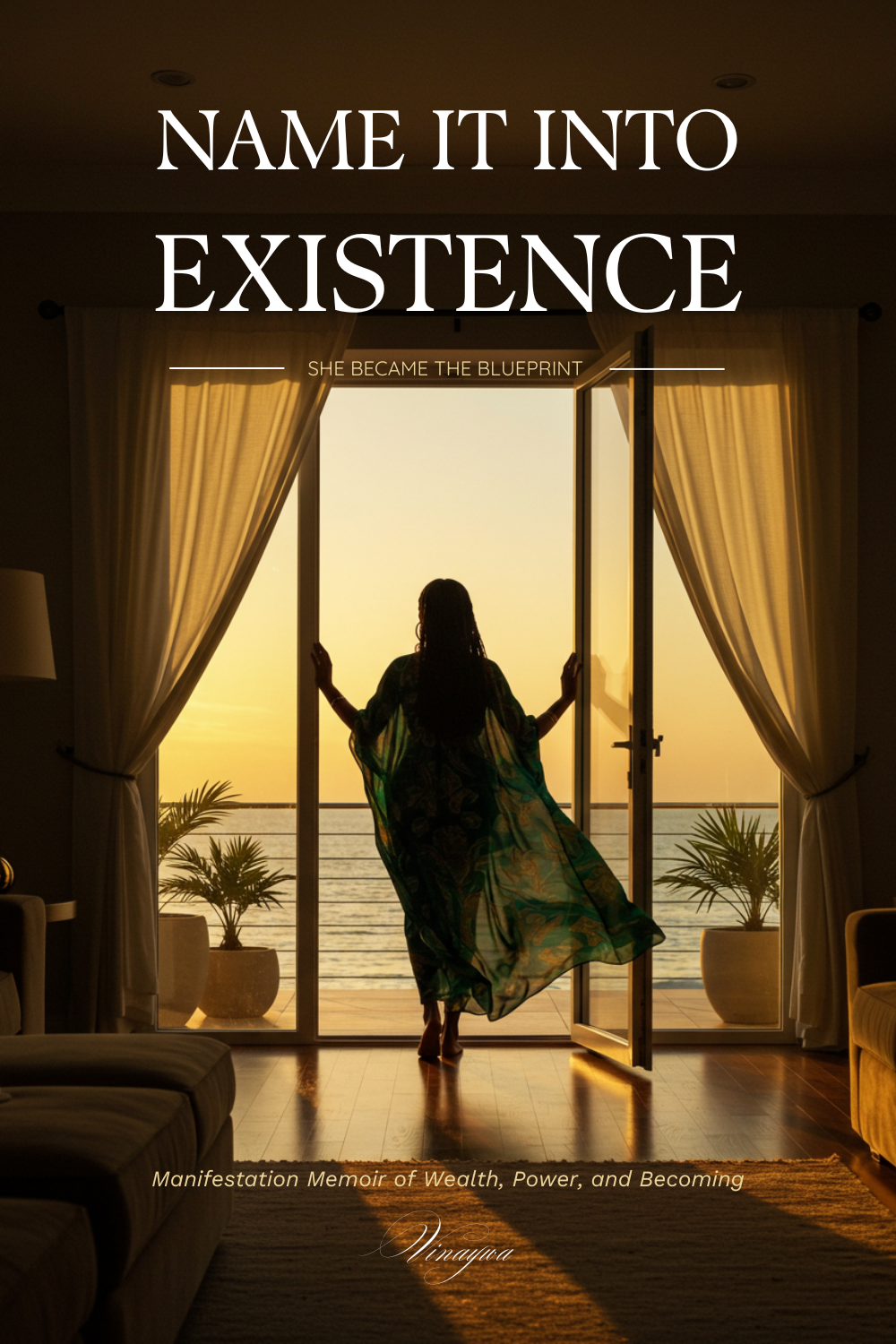
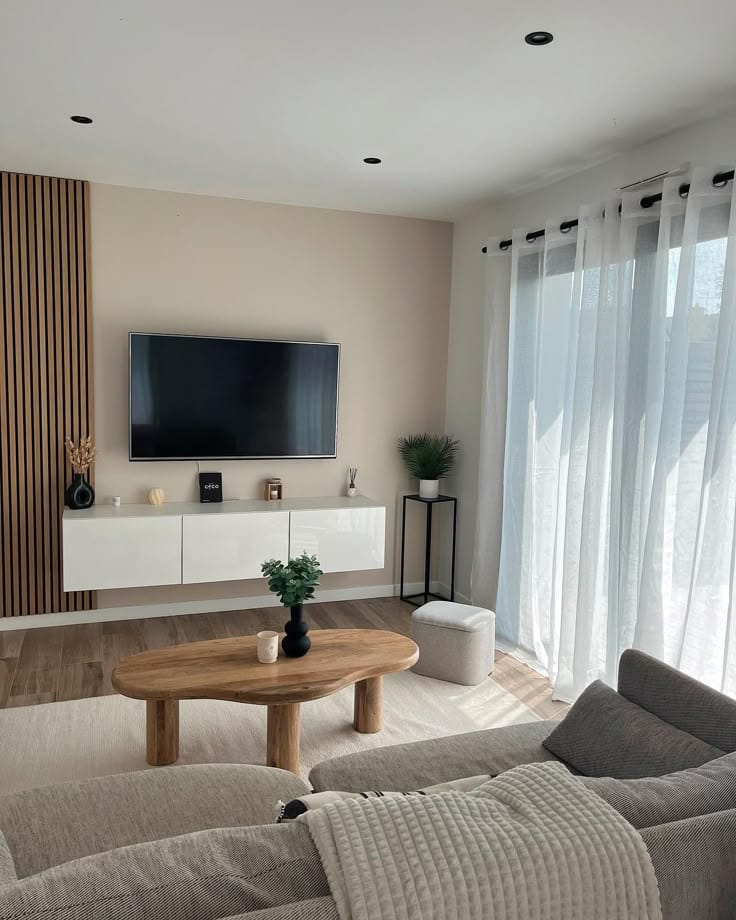
Their Diani villa wasn’t just real estate. It was memory, sanctuary, legacy. Lax Haven, a name they coined together, had walls that smelled like coconut oil and vanilla. It had a treehouse where Adriel read comic books above crashing waves, a garden they planted together, and a guest room that doubled as an art studio for weekend projects.
In the living room hung a drawing Adriel made when he was seven: the two of them surrounded by flowers and floating dollar signs. In the bathroom mirror, Post-its read: “You are beautiful, Mum.” “You are smart.” “Don’t forget my snacks.”
They played board games under candlelight, cooked chapati on Saturday mornings, watched sunrises in silence, and laughed at their own shadows. That house held everything the world said she’d have to sacrifice.
They still journaled three things they were grateful for every Sunday, placing dreams in the “vision jar,” even outrageous ones like Adriel’s plan to build a flying car empire. They walked barefoot in the garden, talked about the week, the wins, the worries, the wonder.
One day she looked at him and said, “You didn’t stop my life. You started my destiny.” He looked up. “Then we’re doing good, right?” She smiled. “More than good, baby. We’re legendary.”
There was a day she snapped. Emails were pouring in. A supplier was late. She was bloated, exhausted, and behind on a deadline. Adriel kept asking questions, too many, too fast. “Can I show you something? Can I show you? Mum? Mum?” She barked louder than she meant to. “Just give me a minute, Adriel! PLEASE!”
His face dropped. He whispered, “Sorry.” Later that night, after he slept, she wept at the edge of his bed, kissed his forehead, and left a note: “Mum is still learning, too. I’m sorry. I love you.” In the morning, he slipped a note under her door: “I forgive you. Can I have pancakes?” She smiled through tears.
Being a good mother didn’t mean being perfect; it meant returning, again and again, to softness, to truth, to love.
She often thought about her own mother, how she’d packed hope into kales and lullabies, given up ambitions quietly as if expected, offering love through sacrifice so constant it was never even named. Vinaywa decided early: it ends with her. She would not inherit self-neglect as a parenting style. She would not mother from martyrdom. She would mother from joy, overflow, and truth. “I will not abandon myself in the name of being a good mother,” she wrote in her journal. “Because my son deserves a woman who is fully alive.”
So she poured that aliveness into others, funding scholarships for teen mums, holding vision board brunches in Mathare, teaching girls who thought motherhood had ruined them that it had refined them instead. She stood before them and said, “You are not behind. You are being forged. Keep going.”
By thirty, she was no longer just known for business. She was the mother of a movement. She ran a thriving eco-design business, owned real estate across Kenya, mentored hundreds of women, tucked her son in every night, and showed up for herself just as faithfully.
Her TEDx talk, “Motherhood as a Millionaire Strategy,” broke the internet. She spoke of time-blocking nap schedules and million-shilling contracts, lactation rooms and leveraged investments, rewriting the blueprint without burning out.
She launched Mama Hub under The Garo Collective, a coworking sanctuary for mothers: child-friendly lounges, lactation rooms, meditation gardens, and a mentorship café offering chai and clarity.
The night of the launch, she stood at the front. Behind her: vines, fairy lights, and a giant quote: “Motherhood is not a setback. It’s a strategy.” When she walked into that space for the first time, babies cooing, laptops open, women in flow, she cried. This is what motherhood looks like when it’s allowed to be both divine and disruptive.
A teen mum from Mathare stood up. “I didn’t think we were allowed this much beauty.” She held her hand and replied, “You don’t have to earn softness. You were born worthy of it.” In every keynote, she ended with the same line: “I didn’t sacrifice my dreams for my son. I sacrificed society’s lie that I had to.” And every time… a standing ovation.