“There was a time they mispronounced my name. Now they speak it with reverence.”
— Vinaywa, interviewed on The Iconic Women Podcast, 2032
It did not happen overnight.
There was no single morning where she woke up and the world had rearranged itself in her honor. No trumpet sound. No cinematic swell. No dramatic announcement that declared, You have arrived.
It was subtler than that.
It began with tone. The way people said her name changed.
At first, years ago, they would stumble over it. Ask her to repeat it. Shorten it for convenience. Suggest nicknames that made it easier on their tongues. She would correct them gently, then let it go. Back then, her name was something she carried alone, soft, almost protective of it.
Now, they paused before saying it.
There was space around it. A slight reverence, not fear or intimidation, but with weight.
It began slowly, almost imperceptibly, like sunlight creeping into a room before the world wakes. At first, her name was on paper. Soft, embossed, deliberate: Curated by Vinaywa. She had spent years shaping what those words meant, though at the time she hadn’t realized it.
Gift boxes carried them, tucked delicately between ribbons and scented tissue paper. People paused as they read it, even when they were hurried or distracted. They lingered on the letters, tracing their edges as if to memorize them, as if to understand the woman behind them. They would look at her Instagram to match the face to the name.
Vinaywa had become something tactile, something that existed beyond herself. A name, yes, but a presence, a frequency, a quiet announcement. And slowly, the name stopped being decorative.
It became a signature.
Then came the digital signs. Speaker bios. Conference programs. Her name linked with titles: Keynote Speaker: Vinaywa, Founder of Garo Gift Shop. She would see it listed formally, and sometimes a warmth would rise in her chest.
There it was, not just a name, not just a brand, but a deliberate articulation of intention, a punctuation on the work she had done silently, persistently, across years that felt invisible at the time. The world had caught up to her. Her name began to hum, quietly at first, then louder, then insistently.
This is what it looks like when you stop hiding, she thought.
#CuratedByVinaywa. was born almost by accident. Clients posted pictures of curated gifts they had received, snapshots of spaces she had transformed, videos of small terraces that had been revitalized under her guidance.
Each tag, each mention, was not a shout of fame, but a small nod of recognition. People wanted her touch, her intention, her quiet orchestration of beauty. “If it’s a Garo box,” they would say, “it must be Vinaywa’s touch.”
And somehow, hearing that softly in cafes, in offices, on calls, felt like validation, though not the shallow kind that sought applause. This was different. This was resonance.
Then one morning, as light filtered through the cream blinds in her Muthaiga home office, an email arrived. Its subject line was simple: Invitation to Serve as East African Design Ambassador. She opened it slowly, as if the careful unwrapping mirrored what was inside.
“Dear Ms. Vinaywa,
We would be honored to have you as our first East African design ambassador…”
She read it once, then again, then let the words settle. She did not cry. She did not gasp. She inhaled, felt the weight of it, and exhaled into a quiet certainty. This was not luck. This was alignment. Her name was no longer simply an introduction; it had become a room key.
After that day, rooms shifted before she even entered them. Boardrooms adjusted their tempo. People referenced her as a precedent, a standard, a point of calibration.
“Let’s bring in Vinaywa. She’s the best in biophilic design.” “Has Vinaywa seen this concept? We should wait for her insights.” “If it’s Garo gifts, we know it will be intentional.” She did not ask for this attention. She did not perform. She moved quietly, and the world recognized her.
She noticed something else too.
Rooms grew quieter when she entered. Not because she demanded silence. But because she carried it with her.
Her silence was not empty. It was deliberate. Considered. Magnetic.
People noticed her elegance before they noticed her jewelry.
Linen in shades of navy blue and sand. Silk kaftans that moved like water. Structured trench coats in muted earth tones. She dressed like someone who understood texture, like someone who respected how first impressions spoke before words did.
She did not dress to impress.
She dressed to reflect her work.
Recognition did not intimidate her. It did not harden her. She was warm and magnetic, not regal or unapproachable. Luxury and influence were not flaunted; they were folded into the fabric of her being.
Her name in elite circles; hotels, embassies, international expos carried an understated resonance. Even casual brunches hummed with recognition:
“Have you seen how Vinaywa dresses? It’s giving rich auntie energy with purpose.”
“She turned her son’s birth into her billion-shilling breakthrough. I love her story.”
People did not envy her. They leaned in. They studied, not to imitate superficially, but to understand the gravity of intentional work, of careful creation, of vision executed.
Her name became shorthand for intention. For depth. For building beauty that lasts.
A typical morning in 2032 began before sunrise.
She liked the quiet before Nairobi fully woke.
Sometimes she was in Nairobi. Sometimes she was in Kigali. Sometimes she had flown back from Accra the night before. She split her time between cities now, not out of restlessness, but because influence required presence.
She woke in crisp cotton sheets, the kind that softened over time rather than thinning. She stretched slowly, reached for the glass of water by her bedside, and allowed herself five minutes of stillness.
No phone. No notifications. Just breath.
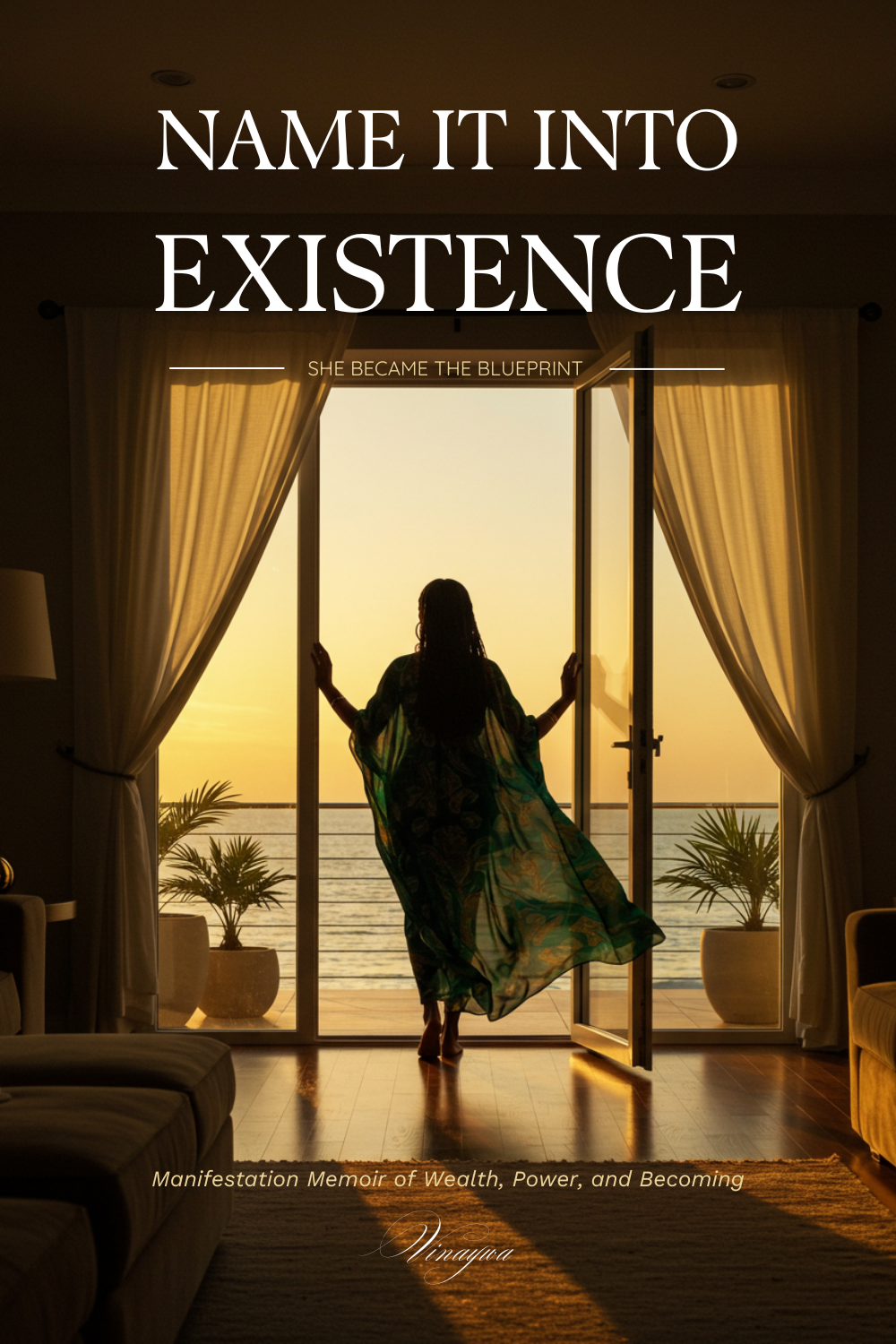
Then she would step onto the balcony, whether it overlooked a leafy Muthaiga street or a Kigali hillside, and let the morning air remind her that she had built a life spacious enough to feel.
Subtle wealth showed itself in these small rituals.
She did not rush breakfast. She did not calculate the cost of fresh berries. She ordered almond croissants without checking the menu twice. She tipped generously, not dramatically, just instinctively.
At the airport, she no longer felt tension.
Business class was not an indulgence she debated; it was alignment with the way she valued her energy. She used the lounge not for photos but for quiet. She reviewed design drafts while sipping chamomile tea, occasionally glancing at the runway.
A young woman once approached her there.
“Excuse me… are you Vinaywa?”
She looked up, smiled warmly. “Yes.”
“I listen to your podcast. The episode on money lineage… it changed something in me.”
Vinaywa closed her laptop gently. “What did it change?”
The woman hesitated. “I stopped apologizing for wanting more.”
Vinaywa nodded. “Good. Wanting more is not greed. It’s an expansion.”
They spoke for ten minutes. No selfies. No spectacle. Just presence.
When boarding was called, the woman said softly, “You feel exactly how you sound.”
Vinaywa smiled.
Warm and magnetic.
Public appearances were no longer events she prepared for anxiously.
They were extensions of her work.
At the Nairobi Women in Design Summit, she arrived early. Not to network, but to feel the room before it filled. She ran her fingers lightly across the wooden podium. Adjusted the angle of a potted plant on stage. She always noticed those details.
Her talk was titled, Designing From the Soul: Landscapes That Heal.
She did not rely on slides heavily. She told stories.
Of a hotel courtyard that had once felt sterile and transactional, transformed into a sanctuary where guests lingered long after check-out.
Of a corporate office balcony redesigned with indigenous plants, reducing stress levels among staff.
Of soil holding memory. Of space influencing emotion.
Afterward, during the Q&A, a young architect stood up.
“How do you build confidence when entering male-dominated rooms?”
Vinaywa tilted her head slightly.
“You don’t enter to compete,” she said calmly. “You enter to contribute. If you know your work, the room adjusts.”
The room fell silent.
Not intimidated.
Moved.
Her mentorship program, The Garo Collective, became her most intimate offering.
Six months. Twenty women per cohort. No fluff.
On the first day of one cohort in Nairobi, she walked into the studio wearing a soft black linen set. She stood at the front, hands relaxed at her sides.
“Welcome,” she said. “By the end of this program, your name will carry weight. Not because I endorse you. But because your work will speak.”
They watched her like she was myth.
She refused that distance.
During one session, a mentee named Aisha broke down.
“I don’t think I deserve to charge what my work is worth,” she admitted quietly.
Vinaywa leaned forward in her chair.
“Who taught you that?” she asked gently.
Aisha hesitated. “I don’t know.”
“You do,” Vinaywa said softly. “Unlearn it. Your price is not arrogance. It’s sustainability.”
She didn’t lecture. She asked questions. She listened more than she spoke.
After class, Aisha lingered.
“I thought you’d be… bigger,” she admitted.
Vinaywa laughed softly. “Bigger?”
“More intimidating.”
She shook her head. “Intimidation is insecurity dressed up. I prefer magnetism.”
In the evenings, when the world quieted, she returned to her softness.
Her home did not scream luxury.
It whispered it.
Cream walls. Natural wood. A carefully curated bookshelf. Fresh flowers weekly, sometimes pink roses, sometimes purple mums.
She folded her silk kaftans carefully before storing them. She cleaned her jewelry with patience. She checked on her son’s homework. She asked him about his day and listened fully.
At dinner, she did not scroll. She chewed slowly. She allowed conversation to stretch.
One night, her son looked at her thoughtfully.
“Do you ever get tired of people knowing your name?” he asked.
She smiled gently. “No. Because they don’t know me. They know my work.”
He nodded, satisfied.
At school, classmates sometimes said, “You’re Vinaywa’s son, aren’t you?”
He would smile.
At home, he saw the truth.
Late-night strategizing.
Quiet prayers whispered over invoices and contracts.
He once overheard her say softly in the kitchen, “I built this not for them to remember my name, but for you to never have to recover from poverty.”
That stayed with him.
The suite she once dreamed about had been renamed.
The V. Garden Suite.
She had designed its balcony personally.
Layered greenery. Indigenous textures. A small water feature that hummed at night. Guests requested it by name.
She stayed there occasionally, not as a spectacle, but as reflection.
One evening, standing on that balcony, she allowed herself to remember who she had been.
Not in longing.
In gratitude.
The city lights below flickered softly.
Her phone buzzed, another tag, another invitation, another opportunity.
She set it down.
Silence first.
Always silence first.
Her office held artifacts of quiet accomplishment: framed Forbes Africa cover with the line,
“When I realized my name could open doors, I stopped knocking and started building the whole building.”
She did not hang it where anyone could see every day. She walked past it. It was a marker, not a trophy.
Achievement no longer startled her. It felt like alignment catching up.
Her memoir, Name It Into Existence: She Became the Blueprint, sold out in two days.
Business schools added it to their reading lists.
She did interviews calmly, never dramatizing her past.
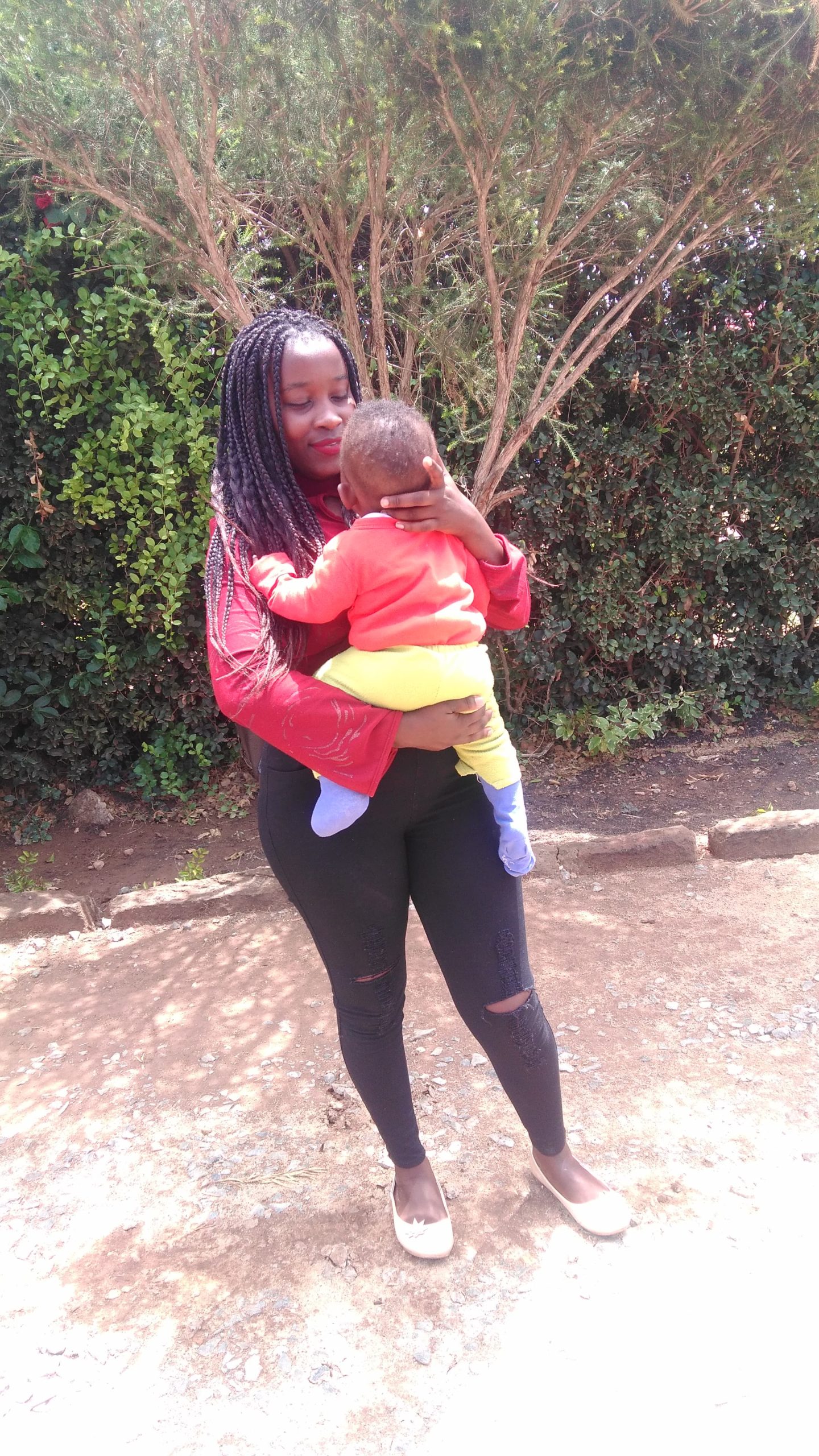
“I was nineteen,” she would say evenly. “I had a child and a dream. I turned my name into a door opener, a business card, a benediction.”
The power was not in the struggle.
It was in the certainty.
At a high-level summit in Kigali, the moderator’s voice echoed across the hall.
“We’ll now transition to the closing keynote, delivered by the woman whose name reshaped design, wealth, and womanhood in East Africa… Vinaywa. Vinaywa.”
The standing ovation rose like warmth.
She walked to the stage in a white silk dress, hoop earrings catching the lights, posture steady, steps unhurried.
As she passed the front row, she heard a whisper.
“That’ll be me one day.”
She paused slightly.
Turned.
Smiled.
“Yes, love. It absolutely will.”
She took the stage not as a woman proving herself, but as a woman embodying herself.
Her name had become infrastructure. It opened doors. It softened rooms. It calmed investors. It redefined spaces. It inspired girls. It created resonance without demanding it. She no longer needed to chase attention. She did not shout her worth. She embodied it. People did not simply recognize her; they were drawn into her orbit.
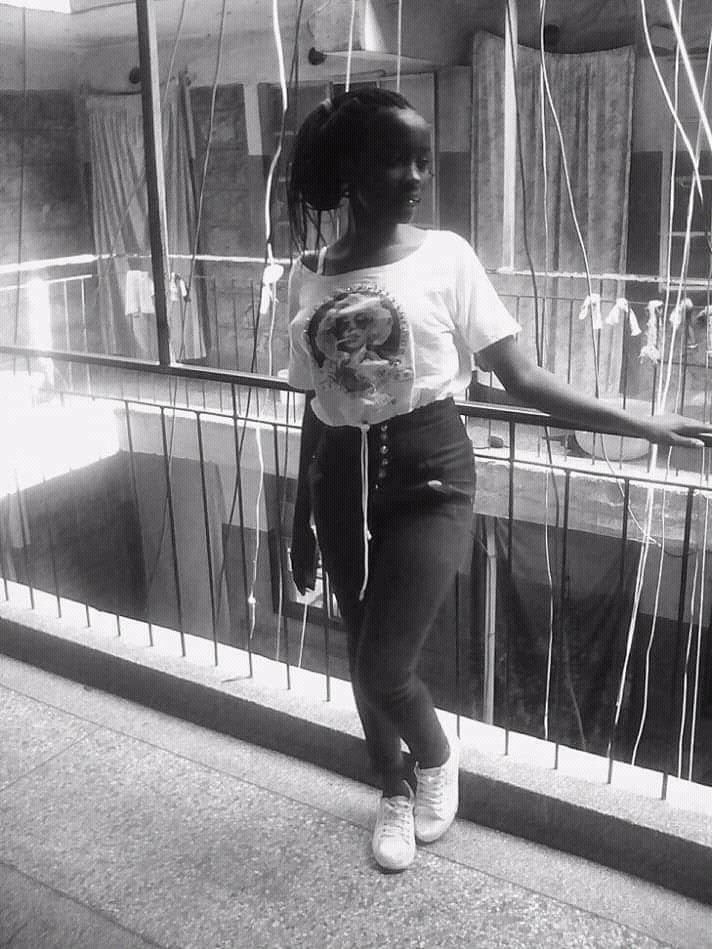
And somewhere, in a small quiet room years ago, a younger version of her once wondered if she would ever matter.
Now her name entered rooms before she did.
And the rooms felt warmer because of it. Not intimidated. Not silenced. Warmed. Magnetized. Opened.
Her name became a room key.
And when she stepped inside, doors did not simply open. Spaces changed to accommodate her vision, her warmth, her magnetic presence. She walked through life like this, unhurried, certain, aligned.
She built not to impress, but to create, to leave an inheritance of possibility, to prove to herself, and to those who came after, that intentionality, quiet power, and belief in one’s own frequency could move mountains, transform landscapes, and nurture a legacy that would not fade with time.